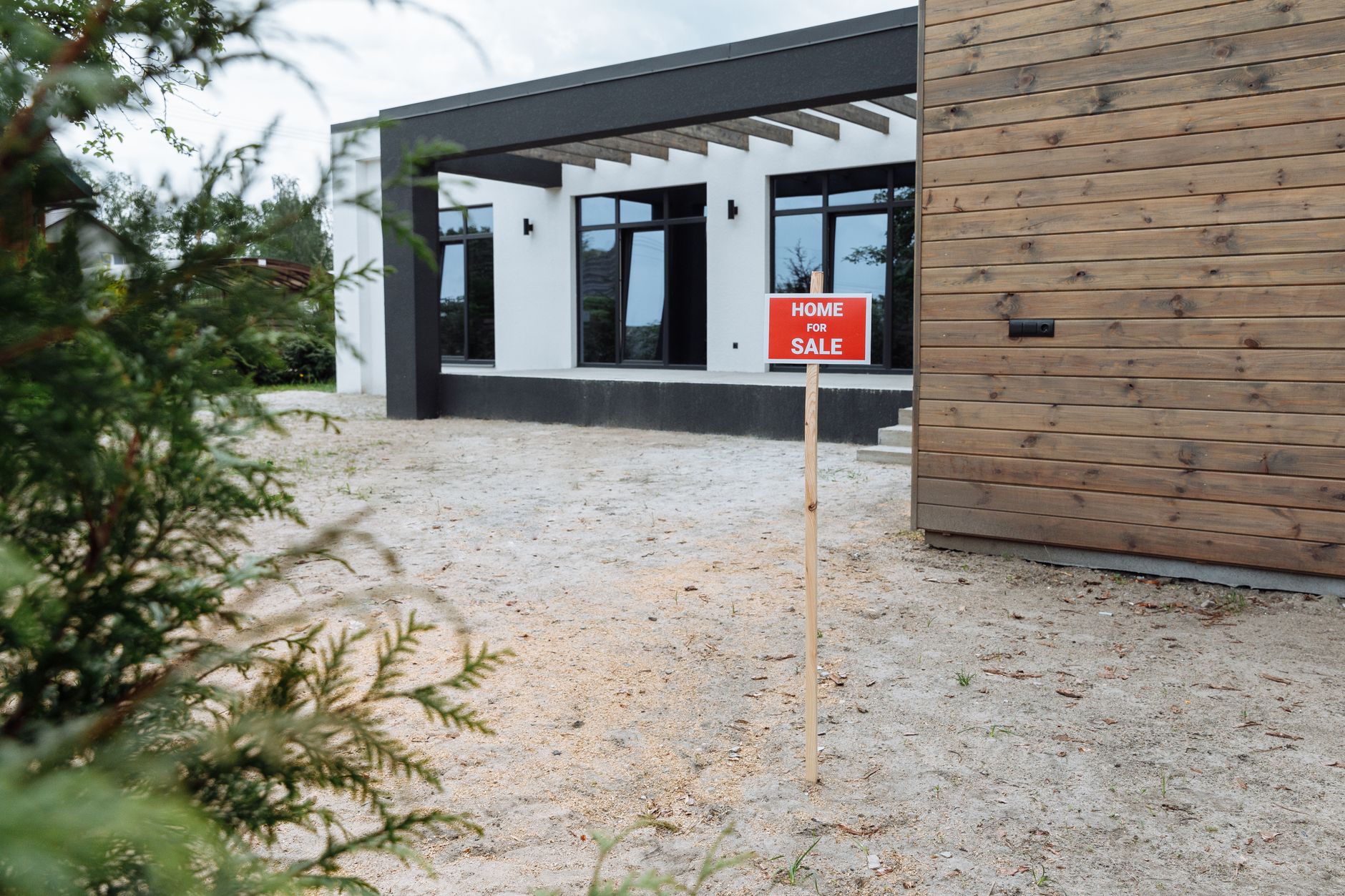
The LA housing market has reached a critical point as the price gap between city and suburb areas hits record levels. This shift is raising concerns among potential homebuyers.
Current Trends in the LA Housing Market
The LA housing market is currently experiencing a significant shift, as the price gap between urban and suburban areas reaches a record high. This trend is influencing the decisions of both buyers and sellers across the region.
One notable trend is the increasing demand for homes in the suburbs, as many families seek more space and affordability. The rise in remote work has further fueled this migration, allowing individuals to prioritize quality of life over proximity to their workplaces.
Additionally, the allure of suburban living is reflected in the following factors:
- Affordability: Home prices in suburban areas are generally lower than those in the city, attracting first-time buyers and those looking to upgrade.
- Space: Many suburban homes offer larger lots and more square footage, appealing to families and individuals seeking room to grow.
- Community amenities: Suburbs often provide access to parks, schools, and local shopping, enhancing the appeal for potential buyers.
On the flip side, the city remains attractive for those who value urban living and proximity to cultural and entertainment opportunities. However, as the LA housing market evolves, the disparity in prices is likely to influence the dynamics of both markets.
Factors Driving Price Increases
The LA housing market is experiencing significant price increases, driven by several key factors that are reshaping the landscape of real estate within the city and its suburbs.
- High Demand and Low Inventory: The ongoing demand for housing in Los Angeles is outpacing the available inventory. With a limited number of homes on the market, buyers are competing fiercely, which drives prices upward.
- Interest Rates: Although interest rates have fluctuated, many buyers are still eager to secure properties before rates rise further. This urgency contributes to the escalating prices as buyers enter the market.
- Migration Patterns: With remote work becoming more prevalent, many individuals are moving to the suburbs, leading to increased competition for homes in those areas. This trend is widening the price gap between city and suburban properties.
- Economic Growth: The overall economic recovery in Los Angeles has bolstered buyer confidence, leading to increased spending power and willingness to invest in real estate.
- Market Speculation: Investors are increasingly targeting the LA housing market, anticipating future value appreciation, which adds more pressure on prices.
As these factors continue to influence the market, buyers and sellers alike must stay informed about the shifting dynamics of LA’s housing landscape.
City vs. Suburb: A Comparative Analysis
The LA housing market is experiencing a significant divergence between urban and suburban areas, with the price gap reaching unprecedented levels. This comparative analysis highlights the stark differences in housing affordability and demand between city centers and surrounding suburbs.
Many buyers are gravitating towards suburban neighborhoods in search of more space and lower prices. The appeal of remote work has further fueled this trend, as families prioritize larger homes and outdoor areas. In contrast, urban areas are seeing a slowdown in buyer interest, leading to higher inventory levels and decreasing prices.
- Urban Areas: The city remains a hub for entertainment, culture, and employment opportunities. However, high prices and limited space have driven some potential buyers away.
- Suburban Areas: Suburbs are becoming increasingly attractive due to their affordability and family-friendly amenities. Many suburbs offer larger homes at a fraction of the cost compared to city prices.
As a result, the gap between the average home prices in Los Angeles city and its suburbs is expanding. Buyers are finding it essential to weigh their options carefully, considering factors such as commute times, local schools, and lifestyle preferences.
Ultimately, the shifting dynamics in the LA housing market reflect broader trends in homebuying behavior, with suburban living becoming a more viable and appealing option for many.
Impact on Homebuyers and Sellers
The current state of the LA housing market is producing mixed emotions for homebuyers and sellers alike. Buyers are facing significant challenges as the gap between home prices in the city and suburbs continues to widen. This disparity presents a daunting landscape for those hoping to enter the market, as affordability becomes a growing concern.
Many prospective buyers are being pushed out of the city, leading to a surge in demand for suburban properties. As a result, home prices in these areas are also climbing, albeit more slowly than in urban centers. The struggle to find affordable housing options has created a sense of urgency, prompting many to make hasty decisions in their pursuit of homeownership.
For sellers, the situation is somewhat more favorable. With fewer homes on the market and increased competition, sellers in desirable neighborhoods can command higher prices. However, this advantage is tempered by the realization that potential buyers may be deterred by the steep prices, leading to longer sale times in some cases.
- Homebuyers: Facing rising prices and limited inventory.
- Sellers: Experiencing favorable market conditions but cautious of buyer reluctance.
- Overall impact: Striking a balance between sellers’ expectations and buyers’ affordability remains a challenge.
As the LA housing market continues to evolve, both parties must navigate these complexities to achieve their goals.
Future Predictions for LA Housing
As the LA housing market continues to evolve, experts are making predictions about its future trajectory. The ongoing disparity between city and suburb pricing is expected to shape buyer behavior and investment strategies in the coming months.
Analysts suggest that while the current price gap is substantial, it could lead to a shift in demand as more buyers look to suburban properties for affordability. This trend may result in a gradual leveling of prices across both regions. However, several factors could influence these projections:
- Interest Rates: Fluctuations in mortgage rates will play a crucial role in shaping buyer affordability and overall market dynamics.
- Job Market Recovery: As the economy stabilizes post-pandemic, employment opportunities may drive demand back into the city.
- Urban Development: Ongoing investments in infrastructure and amenities in urban areas could make city living more attractive, potentially narrowing the price gap.
- Remote Work Trends: The sustained popularity of remote work may encourage more people to seek suburban homes, impacting the LA housing market significantly.
Ultimately, while the LA housing market faces challenges, these predictions highlight the potential for shifts that could redefine the landscape of homebuying and selling in Southern California.
Expert Opinions on Market Dynamics
Experts are weighing in on the current dynamics of the LA housing market, highlighting the unprecedented price gap between the city and its suburbs. According to real estate analyst Jane Smith, “The disparity in prices is not just a short-term blip; it reflects deeper trends in buyer preferences and urban living.”
Many professionals emphasize the shift towards suburban living as a key factor. “Remote work opportunities have enabled families to seek larger homes outside the city limits, where prices are more favorable,” notes John Doe, a local realtor. “This trend is likely to continue as more people prioritize space and affordability.”
Furthermore, economic factors are playing a significant role. Interest rates remain relatively low, making it easier for buyers to secure loans, although the rising prices create challenges. “Unfortunately, while financing is accessible, the drastic price increases can still deter first-time homebuyers,” says housing economist Emily Johnson.
Additionally, the scarcity of available inventory in the city has led to fierce competition. “Buyers are willing to pay a premium for homes in desirable neighborhoods, which only exacerbates the price gap,” adds Smith. As the LA housing market continues to evolve, understanding these expert insights will be crucial for anyone looking to navigate the complexities of buying or selling a home in the region.
By DubyDub2009 via Openverse