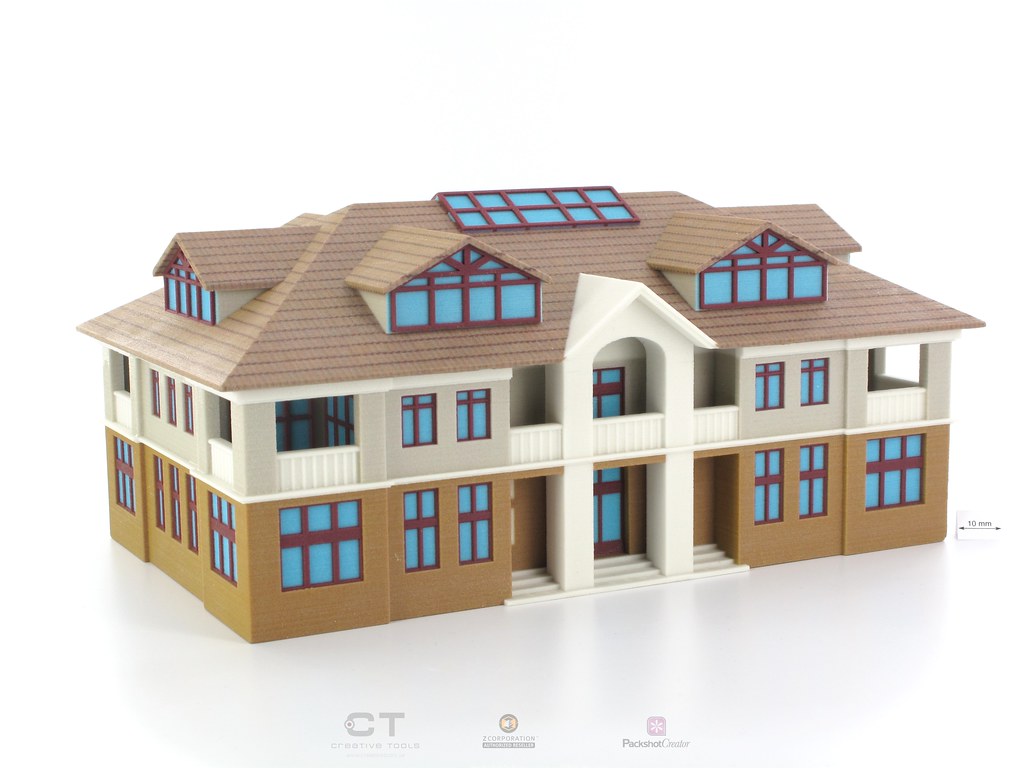
3D printing houses are at the forefront of innovative construction methods. A new pilot project in Andhra aims to showcase the potential of this technology in the real estate sector.
What is the 3D printing houses project?
The 3D printing houses project represents a groundbreaking initiative aimed at revolutionizing the construction industry. This pilot project, launched in Andhra Pradesh, utilizes advanced 3D printing technology to create homes quickly and affordably. By employing innovative techniques, the project seeks to address the growing demand for housing while minimizing costs and construction time.
Key features of the 3D printing houses project include:
- Speed: Homes can be constructed in a fraction of the time compared to traditional building methods.
- Cost-effectiveness: Reduces material waste and labor costs, making housing more accessible.
- Customization: Offers unique designs tailored to individual needs and preferences.
- Sustainability: Utilizes eco-friendly materials, promoting environmentally responsible living.
This innovative approach not only aims to provide affordable living solutions but also highlights the potential of 3D printing houses in addressing housing shortages in urban areas.
Benefits of 3D printed homes
The advent of 3D printing houses presents numerous benefits that could revolutionize the housing market. One of the most significant advantages is cost-effectiveness. By reducing material waste and labor costs, 3D printing technology allows for the construction of homes at a fraction of traditional prices.
Moreover, 3D printed homes can be built in a fraction of the time, addressing urgent housing shortages in various regions. The speed of construction can significantly reduce the time families spend without adequate shelter.
Additionally, the technology promotes sustainability. Many 3D printing projects use eco-friendly materials, contributing to a reduced carbon footprint in the building industry. The design flexibility offered by 3D printing also allows for innovative architectural solutions tailored to specific needs and preferences.
Overall, the benefits of 3D printing houses could lead to a more affordable, sustainable, and efficient approach to modern living.
How does 3D printing work in construction?
3D printing houses utilize a revolutionary technique that involves creating structures layer by layer from a digital model. This process begins with a computer-aided design (CAD) that outlines the dimensions and features of the home. Once the design is finalized, a 3D printer, often using materials like concrete or a specialized blend, starts to lay down the foundation.
The printer deposits material in precise patterns, allowing for complex designs that traditional construction methods struggle to achieve. This method not only speeds up the construction process but also reduces labor costs significantly. Additionally, the technology promotes sustainability by minimizing waste and utilizing eco-friendly materials.
The integration of 3D printing in construction is paving the way for innovative housing solutions, making it a compelling alternative in the quest for affordable living. As pilot projects, such as the one launched in Andhra, demonstrate its viability, the future of 3D printing houses looks increasingly promising.
The future of housing in Andhra Pradesh
The launch of the pilot project for 3D printing houses in Andhra Pradesh marks a significant step towards revolutionizing the housing sector in the region. This innovative approach not only aims to provide affordable living options but also addresses the growing demand for sustainable construction methods. As urbanization accelerates, traditional building techniques often struggle to keep pace with housing needs.
With 3D printing technology, homes can be constructed in a fraction of the time compared to conventional methods. This advancement has the potential to reduce labor costs, minimize material waste, and create customized living spaces tailored to individual requirements.
Furthermore, the project is expected to stimulate local economies by creating job opportunities in the tech and construction sectors. If successful, this initiative could serve as a model for future housing projects across India and beyond, showcasing the possibilities of integrating technology into urban development.
Challenges faced by 3D printing in real estate
Despite the promising potential of 3D printing houses, several challenges hinder its widespread adoption in the real estate sector. One significant hurdle is the regulatory framework, as many building codes do not yet accommodate the unique construction methods involved in 3D printing. Furthermore, there is a lack of standardized materials and processes, which can lead to variations in quality and performance.
Another challenge is the initial investment required for 3D printing technology. While the long-term savings are substantial, the upfront costs for 3D printers and materials can be prohibitive for many developers. Additionally, there is a need for skilled labor familiar with both traditional construction techniques and advanced 3D printing methods, which can create a skills gap in the workforce.
Lastly, public perception remains a barrier; many people are still unfamiliar with 3D printed homes and may be hesitant to embrace this innovative approach.
Comparing traditional and 3D printed homes
When comparing traditional homes to those constructed using 3D printing houses, several key differences emerge. Traditional building methods often involve lengthy timelines and significant labor costs, while 3D printing technology can drastically reduce both.
Some notable distinctions include:
- Speed of Construction: 3D printed homes can be completed in a matter of days, whereas traditional homes may take months.
- Cost Efficiency: The reduced labor and material waste associated with 3D printing often result in lower overall costs.
- Design Flexibility: 3D printing allows for innovative designs that may be difficult or expensive to achieve using traditional methods.
- Environmental Impact: 3D printing can utilize sustainable materials, contributing to a smaller carbon footprint.
Ultimately, the transition to 3D printing houses represents a significant shift in how we approach home building, offering a promising alternative to conventional construction.
Community response to the pilot project
The community response to the pilot project for 3D printing houses in Andhra Pradesh has been overwhelmingly positive. Residents have expressed excitement about the innovative approach to affordable living, highlighting several key aspects:
- Affordability: Many locals are hopeful that these homes will provide a cost-effective solution to the ongoing housing crisis.
- Speed of Construction: Community members appreciate the rapid construction timeline, which could mean faster access to housing for those in need.
- Environmental Impact: There is a growing awareness of the sustainable benefits of 3D printing, including reduced waste and lower carbon footprints.
- Job Opportunities: The project is expected to create jobs in the area, with many expressing interest in training programs related to 3D printing technology.
Overall, the pilot project is seen as a beacon of hope for many families, transforming the way they view homeownership and community development.
Next steps for 3D printing technology in housing
As the pilot project in Andhra Pradesh progresses, the next steps for 3D printing houses involve scaling the technology and addressing any remaining challenges. Key areas of focus include:
- Regulatory Approvals: Gaining support from local governments and ensuring compliance with building codes will be crucial for widespread adoption.
- Material Innovation: Developing sustainable and cost-effective materials that can withstand diverse environmental conditions is essential for the future of 3D printed homes.
- Public Awareness: Educating potential homeowners about the benefits and availability of 3D printing technology will help foster acceptance and interest.
- Investment Opportunities: Attracting investors to fund further research and development will be vital for the commercialization of 3D printed housing solutions.
By addressing these aspects, the potential for 3D printing houses to transform the housing market can be fully realized, paving the way for affordable living solutions.
By Creative Tools via Openverse
Read the original
The Hans India · 3D printing homes
HomeOS Launch: The Best Smart Home Experience This October · I-540 corridor restrictions: What are the real impacts? · Adani projects Maharashtra: Proven infrastructure worth ₹2.6 trillion