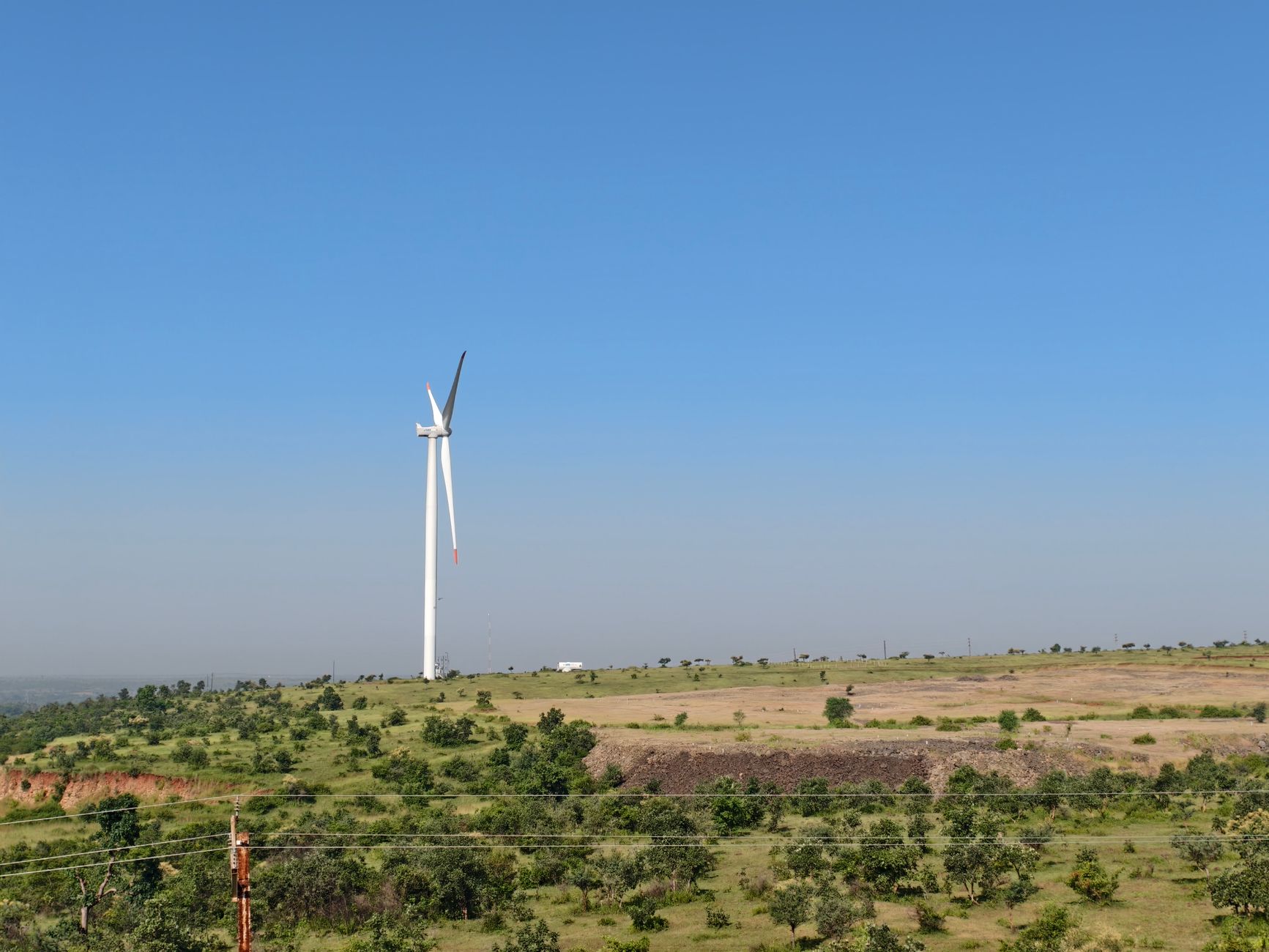
Indian renewable energy projects are gaining momentum as AWS commits $7 billion by 2030 to enhance sustainability efforts in the region.
Overview of AWS’s Investment
In a significant move to bolster its sustainability initiatives, Amazon Web Services (AWS) has announced a commitment of $7 billion towards Indian renewable energy projects by the year 2030. This investment is part of AWS’s broader strategy to transition to renewable energy sources and reduce its carbon footprint.
The funds will be allocated to various projects aimed at enhancing renewable energy capacity across India, focusing on technologies such as solar and wind power. This investment not only aligns with AWS’s global goals of achieving 100% renewable energy usage by 2025 but also supports India’s ambitions of increasing its renewable energy capacity to 500 GW by 2030.
The Indian government has been actively promoting renewable energy through initiatives like the National Solar Mission and has set ambitious targets to combat climate change. AWS’s financial support is expected to accelerate the implementation of these projects, creating numerous job opportunities and fostering economic growth in the region.
Moreover, this commitment highlights the growing trend of major tech companies investing heavily in sustainable energy solutions. As AWS joins other industry leaders in prioritizing renewable energy, the focus on Indian renewable energy projects becomes increasingly significant for both economic and environmental reasons.
Impact on India’s Energy Sector
The commitment of $7 billion by AWS to Indian renewable energy projects marks a significant milestone in the country’s pursuit of sustainable energy solutions. This investment not only strengthens India’s renewable energy infrastructure but also has far-reaching implications for the energy sector.
One of the primary impacts is the acceleration of clean energy adoption. As India aims to meet its ambitious targets for reducing carbon emissions, such investments will play a crucial role in achieving these goals.
Additionally, the influx of capital is expected to:
- Stimulate job creation: Thousands of jobs will likely be created in the renewable energy sector, ranging from project management to engineering roles.
- Encourage technological innovation: With substantial funding, projects may incorporate advanced technologies, improving efficiency and reducing costs.
- Attract further investments: AWS’s commitment may serve as a catalyst for additional investments from both domestic and international players.
Furthermore, the expansion of renewable energy projects will help reduce India’s dependence on fossil fuels, contributing to energy security and price stability. In the long run, this commitment could transform India’s energy landscape, making it a leader in renewable energy on a global scale.
Future of Renewable Energy in India
The future of renewable energy in India is set to be transformative, particularly with the recent commitment from AWS to invest $7 billion in renewable energy projects. This substantial investment is expected to accelerate the development of clean energy infrastructure across the nation, fostering a more sustainable energy landscape.
As India strives to meet its ambitious climate goals, the integration of renewable energy sources becomes increasingly critical. The government has set a target of achieving 500 GW of non-fossil fuel capacity by 2030, and projects funded by companies like AWS are poised to play a vital role in achieving this objective.
Several key factors contribute to the promising future of renewable energy in India:
- Policy Support: The Indian government has implemented various policies and incentives to encourage investment in renewable energy.
- Technological Advancements: Innovations in solar and wind technology are making renewable energy more efficient and cost-effective.
- Investment Opportunities: Increased funding from both domestic and international investors highlights growing confidence in the sector.
As these Indian renewable energy projects unfold, they are expected to not only contribute to the nation’s energy needs but also create jobs and stimulate economic growth.
Challenges Facing Renewable Projects
The commitment of $7 billion to Indian renewable energy projects by AWS brings optimism, but challenges remain that could impact the successful implementation of these initiatives.
Several key challenges need to be addressed:
- Infrastructure Limitations: The existing power infrastructure in many regions is inadequate to support the scale of renewable energy projects. Upgrading transmission systems is essential for efficient energy distribution.
- Regulatory Hurdles: Navigating the complex regulatory landscape can slow down project approvals. Streamlining processes will be crucial for attracting further investments.
- Financing Issues: Despite significant investments, securing additional funding for large-scale projects remains a concern. Innovative financing models may be necessary to bridge funding gaps.
- Land Acquisition: Acquiring land for solar and wind projects often encounters resistance from local communities. Ensuring fair compensation and addressing concerns is vital for smooth project execution.
- Technology Adaptation: The rapid pace of technological advancements can pose challenges in terms of integrating new solutions into existing systems, requiring continuous adaptation and learning.
As India strives to enhance its renewable energy capacity, addressing these challenges is essential to realize the full potential of its ambitious renewable energy projects.
How AWS Plans to Implement Changes
Amazon Web Services (AWS) is committed to making significant changes to enhance its Indian renewable energy projects. The company plans to implement a multi-faceted approach, focusing on technology integration and local partnerships. By collaborating with Indian energy firms, AWS aims to accelerate the deployment of innovative solutions that can optimize energy generation and distribution.
One key aspect of AWS’s strategy is the incorporation of advanced cloud computing technologies. These technologies will enable real-time data analysis and predictive maintenance, which can help improve efficiency in renewable energy operations. Furthermore, AWS intends to leverage machine learning algorithms to forecast energy demand and supply fluctuations, thereby ensuring a more stable energy grid.
In addition to technological advancements, AWS will invest in training programs for local professionals. This initiative aims to build a skilled workforce capable of managing and maintaining renewable energy systems, ultimately contributing to the sustainability of Indian renewable energy projects.
Moreover, AWS plans to engage with local communities to promote awareness and support for renewable initiatives. By fostering a sense of ownership among stakeholders, the company hopes to drive greater acceptance and participation in its renewable energy efforts.
Community Benefits of Renewable Energy
The commitment of $7 billion by AWS to Indian renewable energy projects is expected to yield significant community benefits, enhancing both social and economic conditions in the regions where these initiatives are implemented.
One of the primary advantages is the creation of local jobs. As renewable energy projects develop, they require a skilled workforce for installation, maintenance, and operation, which can lead to employment opportunities for local residents. This job creation not only supports families but also stimulates local economies.
Additionally, these projects can contribute to improved infrastructure. Investments in renewable energy often necessitate upgrades to roads, utilities, and communication systems, which can benefit entire communities. Enhanced infrastructure can also attract further investments and businesses, fostering economic growth.
Moreover, renewable energy initiatives can lead to energy independence for local populations. By harnessing local resources such as solar and wind, communities can reduce their reliance on imported fossil fuels, resulting in lower energy costs and increased energy security.
Lastly, there is an important environmental aspect. Transitioning to renewable energy reduces greenhouse gas emissions, promoting cleaner air and a healthier environment for residents, which can have long-term health benefits.
Conclusion on Investment Impact
In conclusion, the substantial investment by AWS in Indian renewable energy projects is poised to make a significant impact not only on the energy landscape but also on the broader economic framework of the country. With a commitment of $7 billion, AWS is not just enhancing its own sustainability goals but also catalyzing a shift towards cleaner energy sources that can benefit millions.
The infusion of capital into renewable energy initiatives is expected to create numerous job opportunities, promote technological advancements, and stimulate local economies. Moreover, this investment aligns with India’s ambitious targets to increase its renewable energy capacity and reduce carbon emissions, thus contributing to global climate goals.
However, the success of these projects hinges on addressing the myriad challenges that have been highlighted, from regulatory hurdles to infrastructure limitations. The collaboration between various stakeholders, including government bodies, private enterprises, and local communities, will be essential in overcoming these obstacles.
As AWS implements its strategic changes, the anticipated benefits of Indian renewable energy projects could lead to a more sustainable and resilient energy future. This investment not only signifies a step forward for AWS but also represents a vital opportunity for India to solidify its position as a leader in renewable energy on the global stage.
Many experts believe that Indian renewable energy projects are crucial for achieving the country’s sustainability goals. However, the question remains: are these Indian renewable energy projects worth $7 billion in the long run?
Photo by Er Amit Patel on Pexels