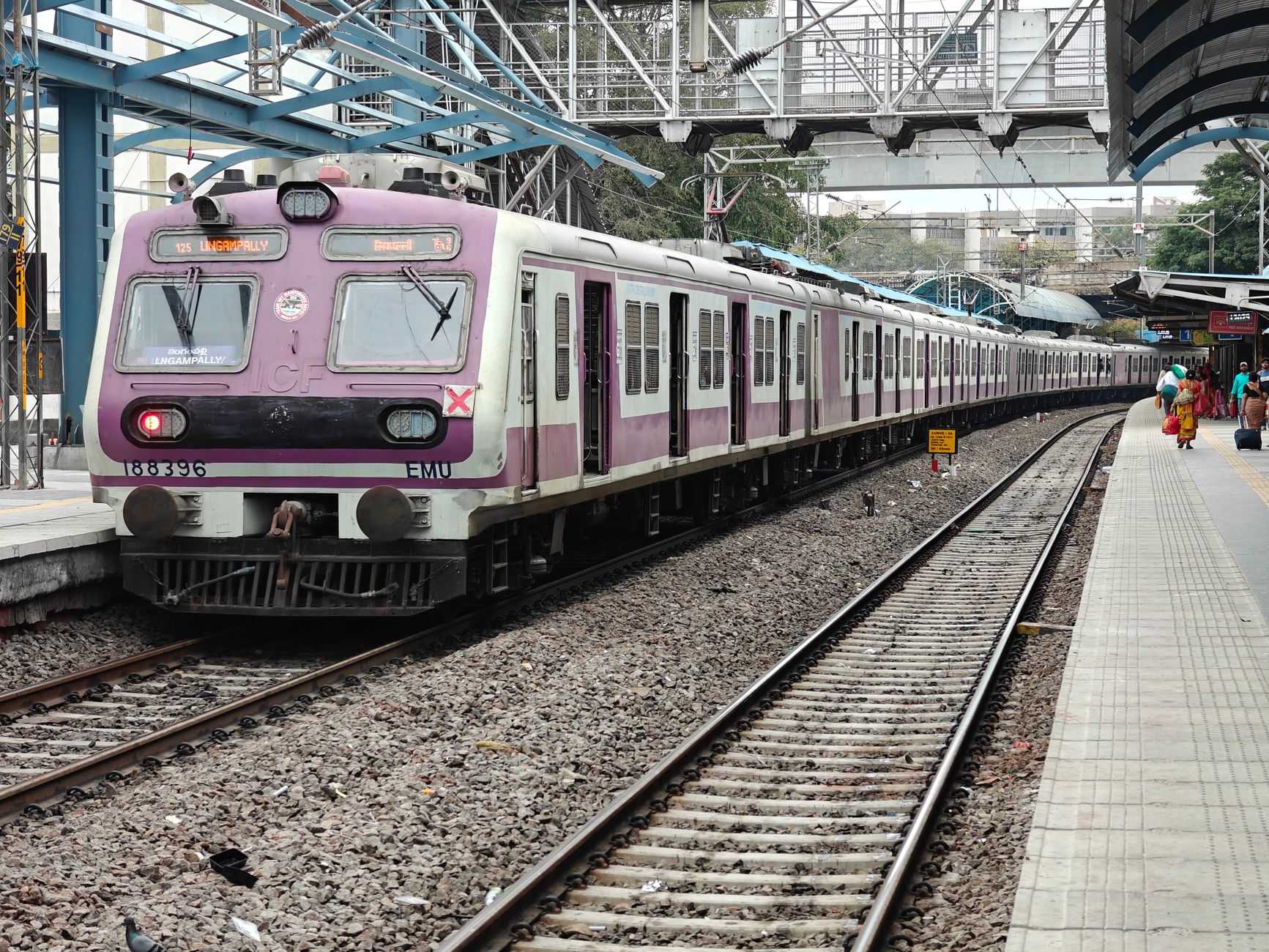
The Telangana railway project is set to revolutionize transportation with a 110-km multi-tracking initiative that promises improved connectivity and efficiency.
Overview of the Telangana railway project
The Telangana railway project is set to revolutionize the region’s transportation infrastructure with its ambitious multi-tracking plan. This initiative aims to enhance connectivity and reduce travel times across the state, addressing the growing demands of passengers and freight movement.
The project encompasses a total distance of 110 kilometers, focusing on key routes that are crucial for both economic and social development. With the proposed multi-tracking system, the railway will be able to handle increased traffic, thus ensuring more efficient services. The following are some critical aspects of the project:
- Increased Capacity: The multi-tracking will allow for more trains to run simultaneously, reducing congestion on existing lines.
- Enhanced Safety: Modern technology will be integrated into the railway system, improving safety measures for both passengers and freight.
- Economic Growth: Improved rail connectivity is expected to boost local economies by facilitating trade and employment opportunities.
Overall, the Telangana railway project represents a significant step forward in modernizing the state’s rail network and fostering sustainable development.
Benefits of multi-tracking in railways
The implementation of the Telangana railway project, particularly its multi-tracking initiative, promises numerous benefits that could significantly enhance the railway infrastructure in the region.
Some of the key advantages of multi-tracking in railways include:
- Increased Capacity: Multi-tracking allows for more trains to run simultaneously, effectively increasing passenger and freight capacity on busy routes.
- Reduced Congestion: By providing additional tracks, trains can bypass delays caused by scheduling conflicts, leading to quicker travel times.
- Improved Safety: Separate tracks for different train types can enhance safety by minimizing the risk of accidents and derailments.
- Enhanced Efficiency: Multi-tracking facilitates better scheduling and operational efficiency, which can lead to lower operational costs over time.
- Environmental Benefits: With a more efficient rail system, there is potential for a reduction in road traffic, which can decrease carbon emissions and contribute to a greener environment.
Overall, the multi-tracking aspect of the Telangana railway project not only addresses current demands but also sets the stage for sustainable growth in the region’s transport infrastructure.
Timeline for the project completion
The Telangana railway project is set to transform the region’s transportation infrastructure with its ambitious multi-tracking plan. The timeline for the project completion is crucial for stakeholders and residents who are eager to see the benefits materialize.
According to the latest updates, the project is expected to unfold in several phases:
- Phase 1: Preliminary surveys and land acquisition are scheduled to be completed by the end of the first quarter of 2024.
- Phase 2: Construction of the railway tracks will commence in mid-2024, with a target to finish by early 2026.
- Phase 3: Installation of signaling systems and other necessary infrastructure is projected to take place throughout 2026.
- Phase 4: Testing of the new multi-tracking systems will occur in late 2026, ensuring safety and efficiency.
- Phase 5: The official launch of the Telangana railway project is anticipated in early 2027, marking a new era in regional connectivity.
The successful execution of this timeline will be crucial for enhancing the railway network and boosting economic growth in Telangana.
Investment and funding details
The Telangana railway project has garnered significant attention due to its robust investment and funding framework. The total estimated cost for the Telangana railway project is approximately INR 1,500 crores, aimed at enhancing the state’s railway infrastructure. This multi-tracking initiative not only aims to boost the current railway capacity but also to improve connectivity across various regions.
Funding for the project is being sourced from various avenues, including:
- Government Allocations: A substantial portion of the budget is expected to come from the state government, which has prioritized transport infrastructure as a key area for development.
- Public-Private Partnerships: The project is also set to attract private investment through partnerships, ensuring that stakeholders have a vested interest in its success.
- Central Government Support: The central government is anticipated to provide financial aid and grants, recognizing the strategic importance of railway enhancements in Telangana.
With these funding sources in place, the Telangana railway project is positioned to move forward swiftly, paving the way for improved rail services and economic growth in the region.
Impact on local economy
The Telangana railway project is set to significantly impact the local economy, fostering growth and development across various sectors. With the introduction of a multi-tracking system, the project aims to enhance connectivity, which will lead to increased trade and commerce opportunities.
Local businesses are expected to thrive as improved railway access facilitates the movement of goods and services. This enhanced connectivity will not only benefit larger enterprises but also small and medium-sized businesses, enabling them to reach broader markets.
In addition to boosting trade, the Telangana railway project will create numerous job opportunities. The construction phase alone is projected to generate thousands of jobs, while the operational phase will lead to permanent positions in maintenance, administration, and customer service.
Furthermore, the improved transport infrastructure is likely to attract investments from various industries, including tourism, agriculture, and manufacturing. As businesses flourish, the local economy will see a ripple effect, with increased consumer spending and better quality of life for residents.
In summary, the Telangana railway project is poised to be a catalyst for economic transformation, reinforcing the importance of multi-tracking in enhancing regional development.
Environmental considerations
As the Telangana railway project progresses, environmental considerations play a crucial role in its planning and implementation. The authorities are committed to ensuring that the multi-tracking initiative aligns with sustainability goals while minimizing ecological impact.
Key environmental factors being addressed include:
- Wildlife Protection: The project will assess and mitigate risks to local wildlife habitats, ensuring that any disruption is minimized.
- Soil Erosion: Engineers will implement strategies to manage soil erosion during construction, preserving the integrity of surrounding landscapes.
- Air Quality: To combat potential air pollution from construction activities, dust suppression techniques will be employed.
- Noise Pollution: Measures to control noise levels will be established to protect nearby communities and wildlife from disturbances.
The Telangana railway project aims to achieve a balance between infrastructure development and environmental stewardship. Engaging local communities in the planning process ensures that their concerns are addressed, fostering a collaborative approach to sustainability. This commitment to environmental considerations reflects a broader trend in infrastructure projects, emphasizing the importance of preserving natural resources while enhancing transportation networks.
Future railway projects in Telangana
The future of railway connectivity in Telangana looks promising as several projects are in the pipeline aimed at enhancing the existing infrastructure. These initiatives are set to complement the ongoing Telangana railway project, focusing on multi-tracking to alleviate congestion and improve service efficiency.
Among the proposed projects, the following are noteworthy:
- Hyderabad to Warangal Corridor: This route is expected to significantly reduce travel time and enhance freight services.
- Secunderabad to Khammam Link: This new line will not only support passenger traffic but also boost trade activities in the region.
- Multi-Tracking of Key Routes: Additional multi-tracking is planned for high-density routes, which will further streamline operations.
- Integration with Metro Services: Future projects aim to connect railway services with metro lines, providing seamless transit options for passengers.
With these future railway projects, Telangana is poised to establish a robust rail network that caters to the growing demands of passengers and freight, ensuring the state remains a vital transportation hub in India.
Photo by Viswanath Vadapalli on Pexels