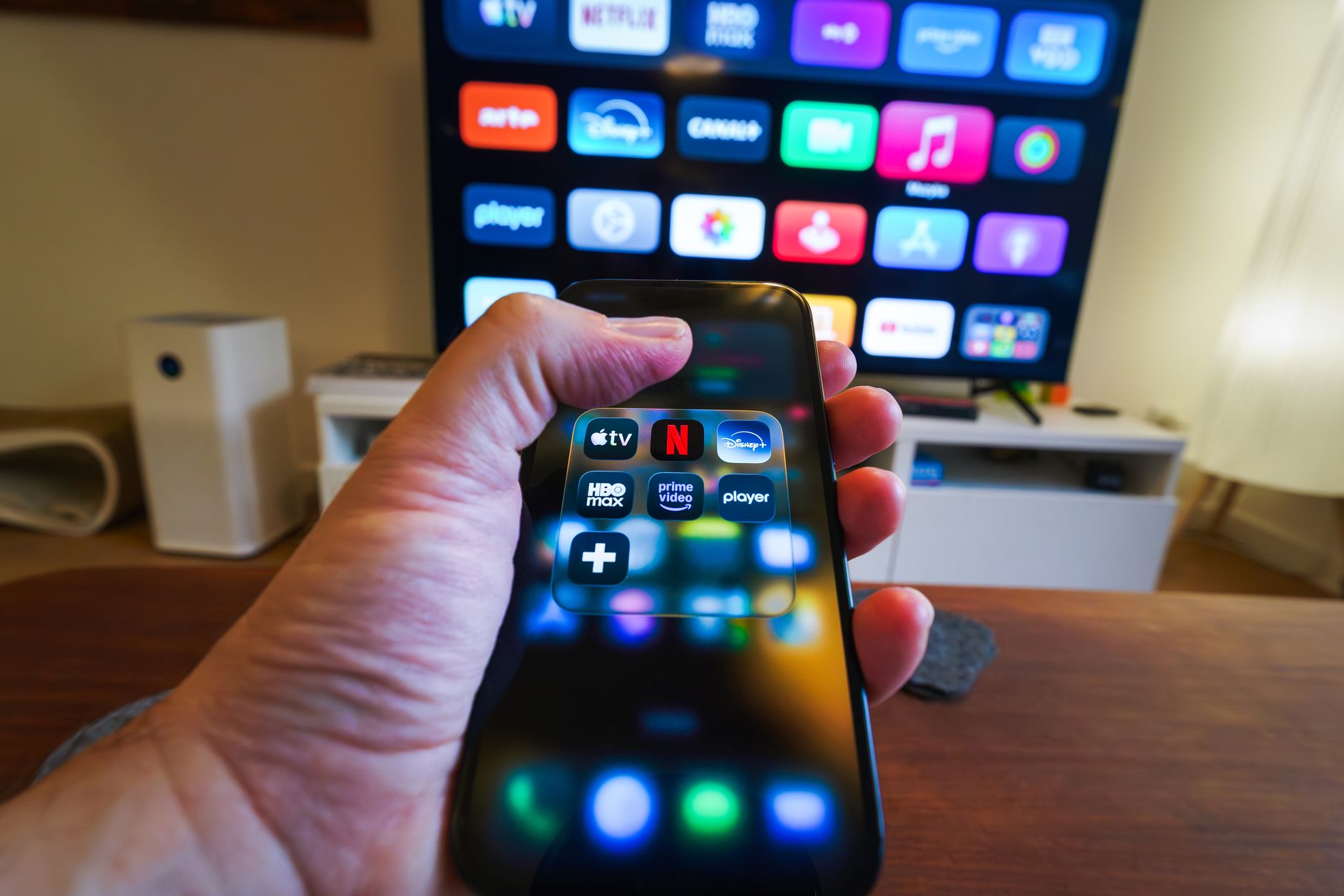
The homeOS launch is set for October, bringing innovative features to enhance your smart home experience. Apple aims to redefine how users interact with their devices.
What is homeOS?
Apple’s homeOS is an innovative operating system designed to enhance the smart home experience. This new platform is set to revolutionize how users interact with their devices, providing seamless integration across a wide range of products. By focusing on user-friendly interfaces and intuitive controls, homeOS aims to simplify the management of various smart home devices.
One of the standout features of homeOS is its ability to unify multiple device ecosystems. Users can expect:
- Enhanced compatibility with existing smart home products, allowing for easier connectivity and control.
- Personalized automation options that adapt to individual preferences and routines.
- Improved security protocols to ensure that user data and privacy are safeguarded.
With the launch of homeOS this October, Apple is not just introducing a new software but is also emphasizing its commitment to providing a cohesive smart home experience. This platform will work seamlessly with other Apple devices, creating a harmonious ecosystem that enhances everyday living.
As consumers increasingly turn to smart technology for convenience and efficiency, the arrival of homeOS could mark a significant advancement in how homes are managed. The anticipation surrounding its launch is palpable, and many are eager to explore the features it will bring.
Key Features of homeOS
The highly anticipated homeOS launch is set to redefine the smart home experience with a range of innovative features designed to simplify and enhance everyday living. Users can expect a seamless integration of devices and services, creating a more connected environment. Here are some of the standout features:
- Unified Device Control: With homeOS, managing all smart devices becomes effortless. Users can control lighting, thermostat settings, and security systems from a single interface.
- Enhanced Automation: The new platform offers advanced automation capabilities, allowing users to create customized routines that adapt to their lifestyles.
- Improved Security: homeOS includes robust security features such as real-time monitoring and alerts, ensuring that users can keep their homes safe at all times.
- Voice Activation: The integration with voice assistants enables hands-free control of smart devices, providing convenience and ease of use.
- Energy Efficiency: homeOS promotes energy-saving practices by optimizing device performance based on usage patterns, helping users reduce their environmental footprint.
As the homeOS launch approaches, consumers are eager to explore these features and witness how they can transform their living spaces into truly smart environments. The excitement surrounding this release highlights the growing trend towards smarter, more efficient homes.
How homeOS Enhances Smart Homes
The upcoming homeOS launch promises to revolutionize the way users interact with their smart homes. By integrating various devices and systems into a cohesive ecosystem, homeOS enhances not only convenience but also security and energy efficiency.
One of the standout features of homeOS is its ability to seamlessly connect multiple devices from different manufacturers. This interoperability allows users to control lights, thermostats, and security cameras through a single interface. With voice commands, users can effortlessly adjust settings or check the status of their home, all from the comfort of their couch.
Additionally, homeOS prioritizes user privacy and security. It employs advanced encryption techniques to safeguard personal data and ensure that only authorized devices can access the system. This peace of mind is vital for homeowners looking to protect their sensitive information.
The built-in automation capabilities further elevate the smart home experience. Users can create customized routines that trigger specific actions based on time of day or occupancy. For instance, lights can automatically dim when it’s movie time, or the thermostat can adjust to energy-saving settings when no one is home.
Overall, the homeOS launch is set to provide a sophisticated yet user-friendly platform that will simplify and enhance daily living for smart home enthusiasts.
Apple’s New Devices Launch
As part of the highly anticipated homeOS launch this October, Apple is unveiling a range of new devices designed to seamlessly integrate with its innovative smart home platform. These devices promise to elevate the home automation experience, making it more intuitive and efficient than ever before.
Among the standout products being introduced are:
- Smart Home Hub: A central unit that allows users to control all homeOS-compatible devices from one interface.
- Smart Light Bulbs: Energy-efficient bulbs that can be controlled remotely, set to schedules, or automated to respond to environmental changes.
- Smart Thermostats: Devices that learn user preferences and adjust home temperature accordingly, optimizing comfort and energy savings.
- Smart Security Cameras: High-definition cameras equipped with advanced motion detection and two-way audio for enhanced home security.
- Smart Locks: Keyless entry systems that provide secure access while allowing homeowners to monitor entry points remotely.
These new devices are engineered to work harmoniously with the homeOS, making it easier for users to manage their smart homes. The synergy between the hardware and the software promises to create a truly connected environment, enriching daily life and bringing a new level of convenience to homeowners.
Comparison with Other Smart Home Systems
As the homeOS launch approaches, comparisons with existing smart home systems are becoming increasingly relevant. Home automation enthusiasts are eager to understand how this new platform stacks up against established competitors.
Several key factors distinguish homeOS from other smart home systems:
- User Interface: homeOS boasts a sleek and intuitive interface that simplifies device management, making it more accessible for users of all skill levels.
- Integration: Seamless integration with Apple’s ecosystem allows homeOS to connect effortlessly with iPhones, iPads, and other Apple devices, providing a cohesive user experience.
- Security: With a strong focus on privacy, homeOS incorporates advanced security features that protect user data more effectively than many competitors.
- Customization: Users can tailor their smart home experience with extensive customization options, allowing for a more personalized environment compared to other systems.
While other platforms like Google Home and Amazon Alexa offer solid smart home solutions, the homeOS launch is expected to elevate the standard by providing a unique combination of ease of use, integration, and security features. As consumers await the rollout, early adopters are excited to see how homeOS will redefine the smart home landscape.
User Reactions to homeOS
As the launch of homeOS approaches, user reactions have been overwhelmingly positive, creating a buzz in the tech community. Many early adopters who have had the chance to preview the system are eager to share their thoughts.
- Seamless Integration: Users are particularly impressed with how well homeOS integrates with existing smart home devices. One user remarked, “It feels like everything is working in perfect harmony now.”
- User-Friendly Interface: The interface has received praise for its simplicity. A beta tester stated, “Navigating through the controls is intuitive, which makes managing my smart home a breeze.”
- Enhanced Automation: Many users are excited about the enhanced automation features. As one user expressed, “Being able to set routines that adapt to my lifestyle has changed the way I interact with my home.”
- Performance: The performance of homeOS has also been highlighted. Users report faster response times and fewer connectivity issues, leading to a smoother overall experience.
However, some users have noted minor bugs that they hope will be resolved in future updates. Overall, the excitement surrounding the homeOS launch suggests that it could redefine the smart home experience for many consumers this October.
Future of Smart Homes with homeOS
The launch of homeOS marks a significant step forward in the evolution of smart home technology. With its seamless integration capabilities, homeOS is set to redefine how users interact with their smart devices, creating a cohesive ecosystem that enhances everyday living.
As we look to the future, several trends emerge that will shape the smart home landscape:
- Increased Interoperability: homeOS is designed to work harmoniously with a wide range of devices, allowing users to control everything from lights to thermostats with a single interface.
- Enhanced AI Integration: With machine learning and AI becoming more prevalent, homeOS will leverage these technologies to provide personalized automation that anticipates user needs and preferences.
- Focus on Privacy and Security: As smart homes become more interconnected, ensuring user data safety will be paramount. homeOS is committed to implementing robust security measures to protect user information.
- Energy Efficiency: Home automation through homeOS can optimize energy usage, helping homeowners reduce their carbon footprint while saving on utility bills.
Overall, the homeOS launch promises to create a more intuitive, efficient, and secure smart home experience, paving the way for innovations that will benefit users for years to come.
The homeOS launch promises to revolutionize the way we interact with our smart devices, offering seamless integration and enhanced automation. With the homeOS launch set for this October, users can expect a host of new features that will elevate their smart home experience.
Where this came from
You might also like
I-540 corridor restrictions: What are the real impacts? · Adani projects Maharashtra: Proven infrastructure worth ₹2.6 trillion · UGREEN AI NAS Offers Best Price Drops Before Kickstarter Launch