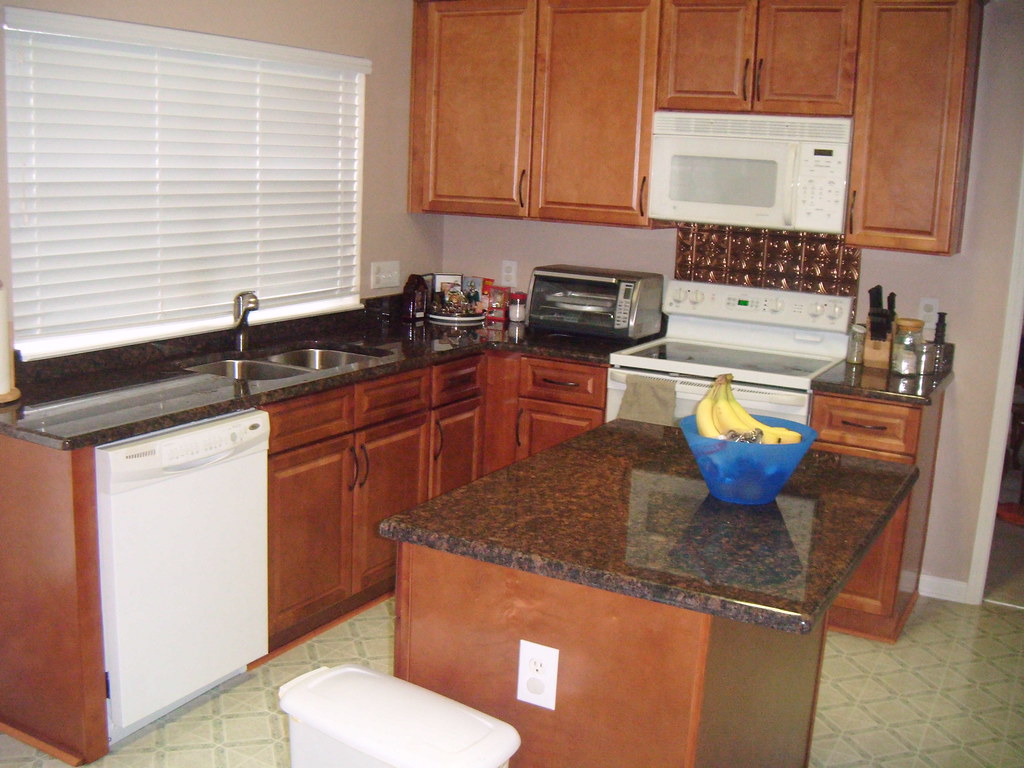
home prices affordability is a pressing issue as they have fallen for 15 straight months. Despite this decline, many buyers still find it challenging to afford a home.
Current Trends in Home Prices
In recent months, the conversation surrounding home prices affordability has become increasingly urgent as potential buyers face mounting challenges. Despite a notable decrease in home prices over the last 15 months, many individuals are still struggling to enter the housing market.
Several factors contribute to the current trends in home prices:
- Interest Rates: Rising mortgage rates have significantly impacted buyers’ purchasing power, making monthly payments less manageable.
- Supply Chain Issues: Ongoing disruptions in the construction industry have limited the availability of new homes, exacerbating the affordability crisis.
- Inflation: General inflation has increased living costs, further straining budgets for potential homeowners.
- High Demand: Despite falling prices, demand remains high as buyers rush to capitalize on lower costs, creating competitive bidding situations.
As the market continues to evolve, experts warn that without a significant shift in either home prices or economic conditions, the challenge of home prices affordability may persist. For many buyers, the dream of homeownership feels increasingly out of reach.
Why Buyers Can’t Afford Homes
The ongoing struggle for many potential homeowners is primarily driven by a combination of rising interest rates and stagnant wage growth. These factors have created a perfect storm, making home prices less affordable than ever. Here are some key reasons why buyers can’t afford homes:
- Interest Rates: The Federal Reserve’s decision to increase interest rates has significantly impacted mortgage costs. Even a small increase can result in higher monthly payments, pushing many homes out of reach.
- Stagnant Wages: While home prices have soared, wage growth has not kept pace. Many buyers find that their income is insufficient to meet the rising costs associated with purchasing a home.
- Supply and Demand: Despite a slight decrease in home prices over recent months, demand continues to outstrip supply in many markets. This imbalance keeps prices elevated, further complicating affordability.
- Inflation: General inflation has also played a role in diminishing purchasing power. Everyday expenses have risen, leaving buyers with less disposable income to allocate toward housing.
As a result, the combination of these challenges has created significant barriers, reinforcing the notion that home prices affordability issues may be the worst in years.
Impact of Interest Rates on Housing
The recent fluctuations in interest rates have significantly impacted home prices affordability, making it increasingly difficult for potential buyers to enter the market. As the Federal Reserve raises interest rates to combat inflation, mortgage rates have also surged, contributing to the ongoing crisis in home affordability.
Higher interest rates mean that borrowers face elevated monthly payments, which in turn reduces the overall purchasing power of buyers. This has led to a situation where even with decreasing home prices, affordability remains a pressing concern.
Key factors to consider include:
- Rising Mortgage Rates: As rates climb, the cost of borrowing increases, making homes less attainable.
- Stagnant Wages: Wage growth has not kept pace with rising housing costs, further straining buyers’ budgets.
- Market Competition: Even with lower home prices, competition remains high, pushing buyers to stretch their financial limits.
As we navigate through these challenges, the gap between home prices and what buyers can afford continues to widen, raising concerns about the stability of the housing market in the coming months.
Market Predictions for Home Prices
As the housing market continues to grapple with ongoing affordability issues, experts are making predictions about future home prices. Analysts suggest that while home prices have declined for 15 consecutive months, the relief may be short-lived due to persistent demand and limited inventory.
According to recent forecasts, several factors will play a crucial role in shaping the market:
- Supply Constraints: The current shortage of available homes is expected to keep prices elevated, as competition among buyers remains fierce.
- Economic Recovery: If the economy continues to improve, more buyers may enter the market, further straining affordability for those already struggling.
- Interest Rate Trends: Future interest rate changes will significantly impact monthly mortgage payments, influencing buyer sentiment and purchasing power.
- Regional Variations: Some areas may experience sharper price increases than others, creating disparities in affordability across different markets.
Overall, while the current trend shows a decrease in home prices, the overarching issue of home prices affordability remains a significant concern. As we move into the next year, both buyers and sellers will need to navigate this complex landscape carefully.
Solutions for Struggling Buyers
As home prices continue to rise despite a decline over the past 15 months, many buyers are left grappling with affordability issues. However, several solutions can help struggling buyers navigate this challenging market.
- Consider Alternative Financing Options: Exploring different mortgage programs, such as FHA loans or USDA loans, can provide buyers with lower down payment requirements and more flexible credit criteria.
- Negotiate Closing Costs: Buyers can negotiate with sellers to cover part of the closing costs, which can alleviate some financial pressure and improve overall affordability.
- Look Beyond Traditional Markets: Expanding the search to suburban or rural areas may uncover more affordable housing options, allowing buyers to find homes that fit their budget.
- Get Pre-Approved: Obtaining mortgage pre-approval gives buyers a clearer picture of their budget and strengthens their position when making an offer.
- Consider Fixer-Uppers: Purchasing a home that requires renovations can be a cost-effective way to enter the market and increase equity over time.
While home prices affordability remains a significant hurdle, these strategies can empower buyers to make informed decisions in a competitive landscape.
Many potential buyers are feeling the strain as home prices affordability issues continue to escalate. Experts warn that the current trends in home prices affordability may lead to a more significant housing crisis if not addressed promptly.
By granite-charlotte via Openverse
Sources
Related reading
Flipkart Diwali Sale: Best iPhone 17 Deal at ₹79,999 · Touchscreen MacBook Pro: The Best Features and Specs Revealed · Redmi K100 specifications: Worth the hype with proven features