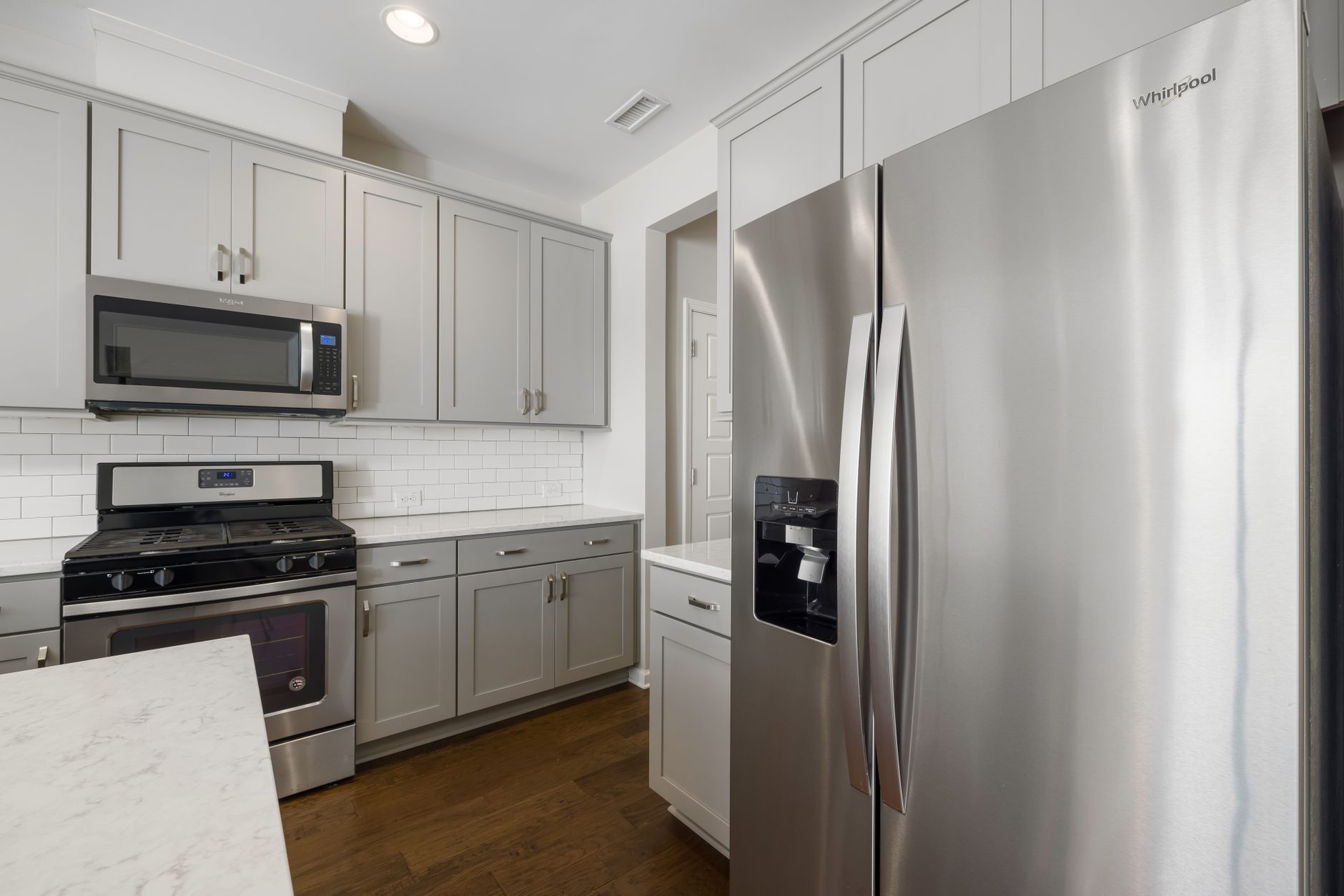
Whirlpool appliance price hike is a significant trend affecting consumers as the company announces a 5% increase in prices due to rising commodity costs and a weak rupee.
Understanding the Price Increase
The recent announcement regarding the Whirlpool appliance price hike has left many consumers questioning the reasons behind the 5% increase. Several factors contribute to this decision, primarily driven by rising commodity costs and a weakening rupee, which have significantly impacted production expenses.
Manufacturers like Whirlpool are facing challenges in acquiring raw materials at stable prices. The global market has experienced fluctuations in the costs of essential components, such as metals and plastics, which are critical for appliance manufacturing. As a result, the company has been compelled to adjust its pricing strategy to maintain profitability.
Additionally, the depreciation of the rupee against foreign currencies has exacerbated the situation. Many of the components used in Whirlpool appliances are imported, making them more expensive to acquire. This currency weakness directly affects the company’s bottom line, forcing them to pass on some of the increased costs to consumers.
In light of these challenges, Whirlpool aims to remain competitive while ensuring the quality and reliability for which they are known. The 5% increase, while unfortunate for consumers, is seen as a necessary step to navigate the current economic landscape.
As the market continues to evolve, Whirlpool is committed to monitoring costs closely and making adjustments as needed to provide the best value to its customers.
Impact of Commodity Costs on Appliances
The recent Whirlpool appliance price hike can be attributed significantly to the rising costs of commodities. These increases are affecting manufacturers across various sectors, but the impact on household appliances has been particularly noticeable.
Several factors contribute to this situation:
- Raw Material Costs: The prices of essential materials such as steel, aluminum, and plastics have surged due to global supply chain disruptions. This rise has forced companies like Whirlpool to adjust their pricing strategies to maintain profit margins.
- Inflation: Ongoing inflationary pressures worldwide have led to higher operational costs for manufacturers. This is reflected in the increased prices consumers are seeing at retail stores.
- Currency Fluctuations: The weakening of the rupee has made imports more expensive for companies that rely on foreign-sourced components. This, in turn, exacerbates the cost challenges faced by Whirlpool and others in the industry.
- Increased Demand: As consumer demand for new appliances remains high, manufacturers are compelled to balance demand with rising costs, leading to a price increase.
In light of these factors, the Whirlpool appliance price hike appears to be a necessary step for the company to navigate a challenging economic landscape.
Consumer Reactions to Price Hikes
As news of the Whirlpool appliance price hike spreads, consumers are voicing their opinions on the significant 5% increase. Many are expressing frustration over the rising costs, particularly as they navigate a challenging economic landscape. Some customers have taken to social media to share their thoughts, with reactions ranging from disappointment to acceptance.
“I’ve always trusted Whirlpool for their quality, but this price hike is hard to swallow,” said one long-time customer. “I understand that costs are rising, but it feels like a lot all at once.”
Others are more understanding, recognizing the impacts of inflation and commodity costs on the appliance market. “We all know that prices are going up everywhere, so I guess I can’t be too surprised by the Whirlpool appliance price hike,” remarked another consumer. “I just hope they don’t keep raising prices every few months.”
In addition to social media, consumers are sharing their thoughts through online forums, where discussions about the value of Whirlpool products are heated. Some consumers are considering alternative brands, while others remain loyal, citing the durability and performance of Whirlpool appliances.
Overall, the reactions reflect a mix of concern and pragmatism, as shoppers weigh their options in light of the latest price changes.
Future Trends in Appliance Pricing
The recent Whirlpool appliance price hike has raised questions about future trends in appliance pricing. As manufacturers face rising commodity costs and fluctuating currency values, consumers may need to brace for further price adjustments in the coming months.
Analysts anticipate that the demand for energy-efficient appliances will continue to grow, which could influence pricing strategies. As consumers become more environmentally conscious, manufacturers may invest in advanced technologies that, while initially expensive to develop, could lead to savings in the long term.
Additionally, the ongoing supply chain disruptions and labor shortages are likely to contribute to inflation in the appliance sector. Companies might consider raising prices further to maintain profit margins, especially if commodity prices remain volatile.
Experts suggest that consumers should be proactive in their purchasing decisions. Some potential trends to watch include:
- Increased Investment in Smart Appliances: As technology continues to evolve, smart appliances may become a standard feature, impacting overall pricing.
- Focus on Sustainability: Eco-friendly designs may command a premium, reflecting the growing consumer preference for sustainable options.
- Enhanced Warranty Offerings: Manufacturers might offer longer warranties as a way to justify higher prices and build consumer trust.
In summary, the Whirlpool appliance price hike is just the beginning of a complex pricing landscape shaped by multiple factors.
Photo by Curtis Adams on Pexels
Read the original
Related reading
Godrej Properties homes: Best proven investment for FY27 · Bengaluru infrastructure boost: Best projects for a clear future · Apple product launches: The Best New Innovations Revealed