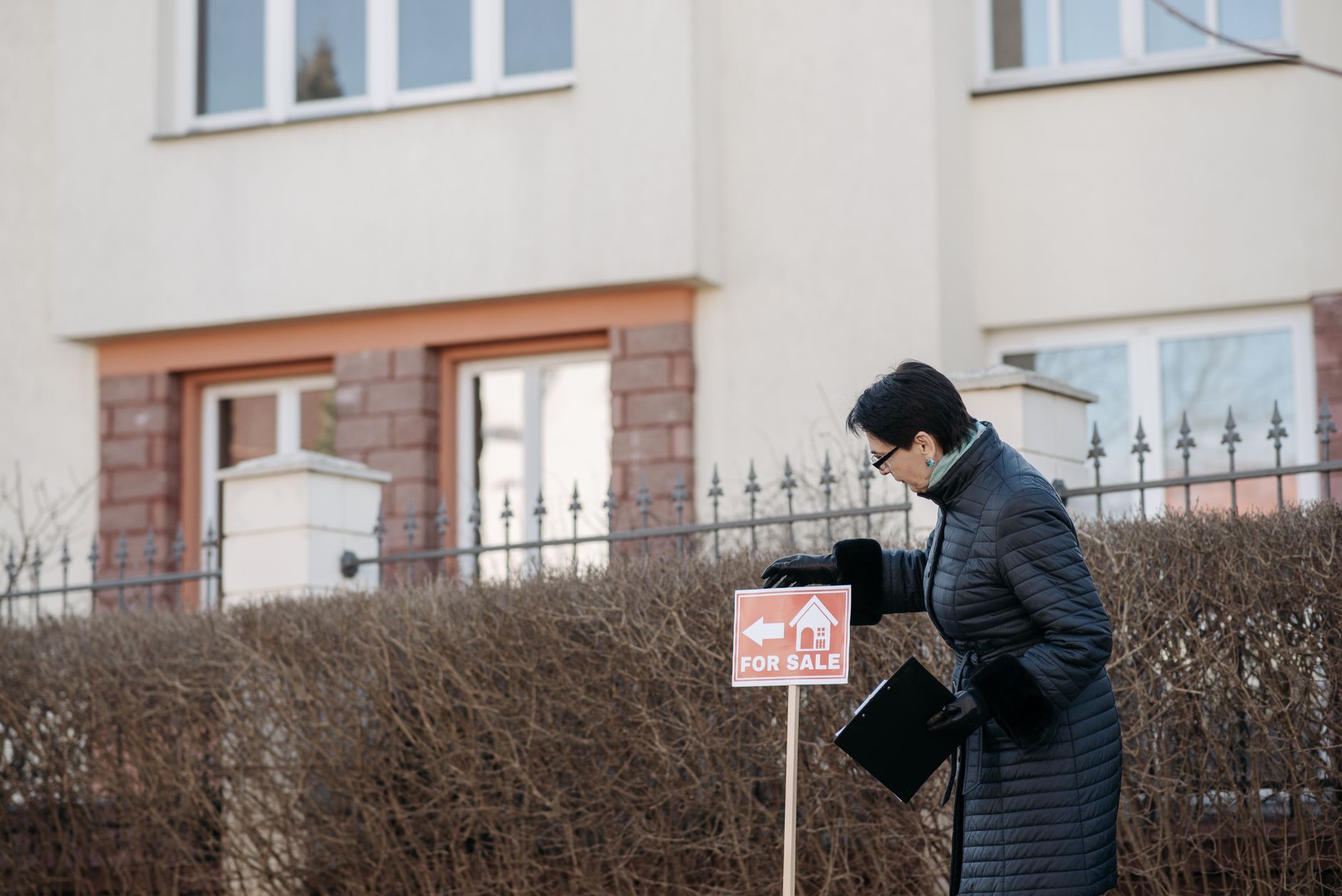
housing sales dip is evident as the latest report shows a 7% drop in the top 7 cities in Q1 2026 compared to the previous quarter. This trend raises questions about the market’s direction.
Current Market Overview
The housing market is experiencing a notable shift, as recent reports indicate a housing sales dip of 7% quarter-over-quarter in the top seven cities for the first quarter of 2026. This decline has raised concerns among industry experts and potential homebuyers alike.
Despite the quarterly decrease, the year-over-year comparison shows a positive trend, with sales up by 9%. This juxtaposition highlights the complexities of the current market landscape.
Several factors are contributing to this dip, including:
- Rising interest rates impacting affordability
- Increased inventory levels leading to more competition
- Economic uncertainties affecting buyer confidence
As the market adjusts, stakeholders are closely monitoring these trends to better understand future implications.
Yearly Comparison of Housing Sales
The latest data reveals a concerning trend in housing sales across major urban areas. A yearly comparison shows that while there was a notable 7% dip in housing sales quarter-over-quarter in Q1 2026, the year-on-year figures indicate a 9% increase. This contrast highlights the volatile nature of the market, with some cities experiencing significant fluctuations.
Among the top cities, the following factors contributed to the yearly comparison:
- Increased buyer confidence in the housing market.
- Rising interest rates impacting affordability.
- Supply chain issues affecting new listings.
These elements have combined to create a challenging environment, leading to the overall housing sales dip in key markets.
Factors Influencing Sales Trends
The recent housing sales dip in major metropolitan areas can be attributed to several key factors that are reshaping the market landscape.
- Inflationary Pressures: Rising costs are affecting buyers’ purchasing power, leading to a more cautious approach to home buying.
- Interest Rate Hikes: Increased borrowing costs have deterred potential buyers, further contributing to the decline in sales.
- Supply Chain Issues: Ongoing disruptions have slowed construction, resulting in a limited inventory that does not meet the demand.
- Changing Consumer Preferences: Many buyers are now prioritizing affordability and location, steering clear of higher-priced urban areas.
As these factors continue to exert influence, the outlook for housing sales remains uncertain, with experts closely monitoring developments in the coming months.
Expert Opinions on Future Outlook
Experts are weighing in on the recent housing sales dip, noting that the decline of 7% quarter-over-quarter in the top seven cities could signal troubling trends ahead. Many analysts believe that the persistent rise in interest rates is a key factor in this downturn.
Dr. Emily Hart, a leading economist, stated, “While the year-over-year increase of 9% may seem encouraging, the current dip in sales raises concerns about sustainability in the market.”
Others, like market analyst Tom Reed, emphasize the importance of local economic conditions. “Cities with strong job growth may weather the storm better, but overall, we should brace for continued fluctuations.”
The consensus among experts is clear: without significant changes in economic policy or interest rates, the housing market may struggle to regain its momentum in the coming months.
Photo by Pavel Danilyuk on Pexels

