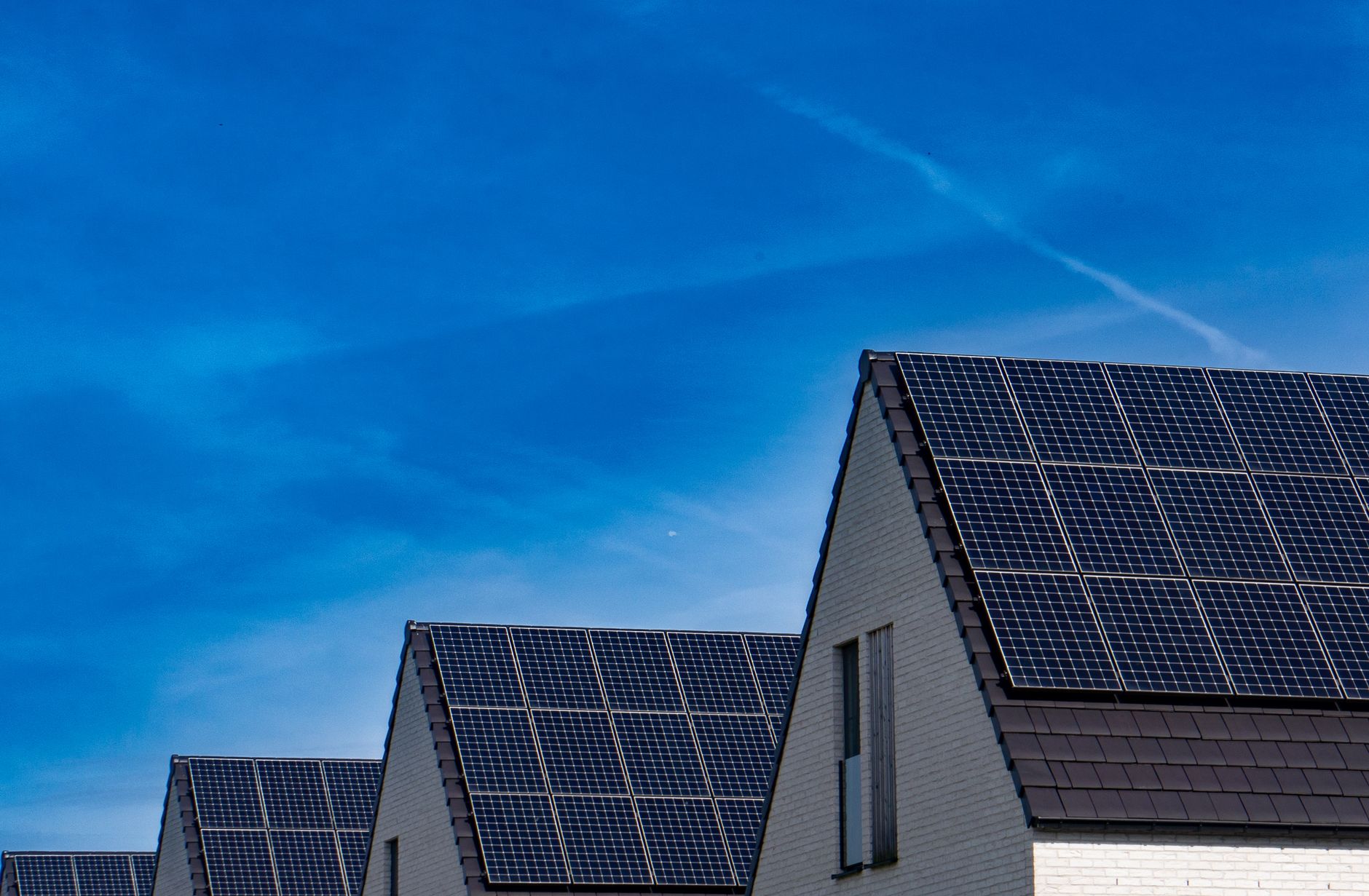
The rooftop solar subsidy is a new initiative by the Delhi Government, designed to make solar energy more accessible for residents. This program offers significant financial support to encourage the adoption of renewable energy.
Overview of the PM Surya Ghar Portal
The PM Surya Ghar Portal has been launched by the Delhi government to facilitate the application process for the rooftop solar subsidy. This initiative aims to promote the adoption of solar energy among residents and significantly reduce their electricity bills.
The portal serves as a one-stop solution for potential beneficiaries, making it easier to understand the eligibility criteria, application process, and the benefits associated with the rooftop solar subsidy. Users can access a variety of resources including detailed guidelines, FAQs, and customer support to assist them in their journey towards solar energy adoption.
Key features of the PM Surya Ghar Portal include:
- Online Application: Users can apply for the subsidy directly through the portal, streamlining the entire process.
- Real-Time Tracking: Applicants can monitor the status of their applications, ensuring transparency and timely updates.
- Information Access: Comprehensive details regarding solar panel installation, subsidy amounts, and financing options are available.
- User-Friendly Interface: The portal is designed to be intuitive, making it accessible for all users, regardless of their technical knowledge.
By leveraging this platform, individuals can claim subsidies of up to Rs 1.56 lakh for their rooftop solar installations.
How to Apply for the Rooftop Solar Subsidy
Applying for the rooftop solar subsidy is a straightforward process designed to encourage the adoption of renewable energy. Here are the easy steps you need to follow:
- Visit the PM Surya Ghar Portal: Start by accessing the official PM Surya Ghar Portal, which provides all the necessary information regarding the subsidy.
- Create an Account: Register on the portal by providing your basic details. This will allow you to access the application form.
- Fill Out the Application Form: Carefully complete the application form, ensuring that all information is accurate. You will need to provide details such as your address, contact information, and the specifications of the solar system you wish to install.
- Upload Required Documents: Gather and upload the necessary documents, which may include identity proof, address proof, and bank details for subsidy disbursement.
- Submit Your Application: Once everything is in order, submit your application through the portal. You will receive a confirmation message regarding the status of your submission.
Following these steps can help you secure financial assistance of up to Rs 1.56 lakh for your rooftop solar installation.
Benefits of the Rooftop Solar Subsidy
The rooftop solar subsidy program offers numerous benefits for homeowners looking to invest in renewable energy. By installing solar panels on their rooftops, residents can significantly reduce their electricity bills while contributing to a greener environment.
One of the most notable advantages is the financial assistance provided by the government. Homeowners can claim subsidies of up to Rs 1.56 lakh, making the initial investment more manageable. This financial support is designed to encourage the adoption of solar energy solutions across the nation.
Additionally, using solar energy leads to:
- Lower Electricity Costs: Reduced reliance on grid power can lead to substantial savings on monthly utility bills.
- Increased Property Value: Homes equipped with solar panels often see a rise in market value, making them more attractive to potential buyers.
- Environmental Impact: Utilizing renewable energy helps decrease carbon footprints and combat climate change.
- Energy Independence: Homeowners gain greater control over their energy sources, mitigating the impact of fluctuating energy prices.
Overall, the rooftop solar subsidy not only promotes sustainable practices but also offers financial relief to consumers.
Eligibility Criteria for Applicants
To successfully claim the rooftop solar subsidy, applicants must meet specific eligibility criteria set forth by the government. Understanding these requirements is crucial for ensuring a smooth application process.
- Residential Property Ownership: The applicant must own a residential property where the rooftop solar system will be installed.
- Grid Connection: The property must have a grid connection, allowing for the integration of solar energy into the existing power supply.
- Capacity Requirements: The installed solar system should typically range between 1 kW to 10 kW for residential use to qualify for the subsidy.
- Income Criteria: The scheme is primarily aimed at residential consumers from economically weaker sections, encouraging wider adoption among lower-income groups.
- Previous Subsidy Recipients: Applicants who have previously availed of government subsidies for solar installations may not be eligible for the current rooftop solar subsidy.
By ensuring they meet these conditions, applicants can take full advantage of financial assistance, potentially receiving up to Rs 1.56 Lakh to offset installation costs.
Impact of Solar Energy on Real Estate
The integration of solar energy through the rooftop solar subsidy is transforming the real estate landscape in India. Homeowners are increasingly recognizing the value added by solar installations, not only for energy savings but also for enhancing property appeal.
One significant impact is on property values. Homes equipped with solar panels often attract higher prices in the market. Potential buyers are drawn to energy-efficient homes, which promise lower utility bills and sustainable living. According to recent studies, properties with solar energy systems can see an increase in value ranging from 3% to 4%.
Moreover, the rooftop solar subsidy encourages a shift towards greener living. This initiative is not just about reducing electricity costs; it also supports environmental sustainability, making properties more attractive to eco-conscious buyers.
In urban areas, where space is at a premium, solar installations can help mitigate the growing energy demand. With government incentives, such as the rooftop solar subsidy, the transition to solar energy becomes financially feasible for many homeowners.
As solar energy gains momentum, real estate developers are also looking to incorporate solar solutions in their projects, further boosting the appeal and marketability of new developments.
Future of Renewable Energy in India
The future of renewable energy in India looks promising, with a significant shift towards sustainable solutions like solar power. The introduction of the rooftop solar subsidy is a vital step in this direction, encouraging more households to adopt solar energy systems. This initiative not only aims to reduce the carbon footprint but also addresses the growing energy demands of the nation.
India’s commitment to renewable energy is evident through various governmental policies and programs. The rooftop solar subsidy serves as an incentive for citizens to transition from conventional energy sources to clean energy alternatives. As awareness of the benefits of solar energy increases, more individuals are expected to invest in rooftop systems, thereby contributing to the country’s energy independence.
In addition, the integration of solar energy into urban infrastructure is expected to enhance the quality of life in cities. By harnessing solar power, urban areas can alleviate pressure on the existing power grids and reduce electricity costs for consumers. With continuous advancements in solar technology and supportive government initiatives, the vision for a greener India is becoming a reality.
Overall, the rooftop solar subsidy represents a crucial component of India’s renewable energy strategy, paving the way for a more sustainable future.
Photo by Budget Bizar on Pexels