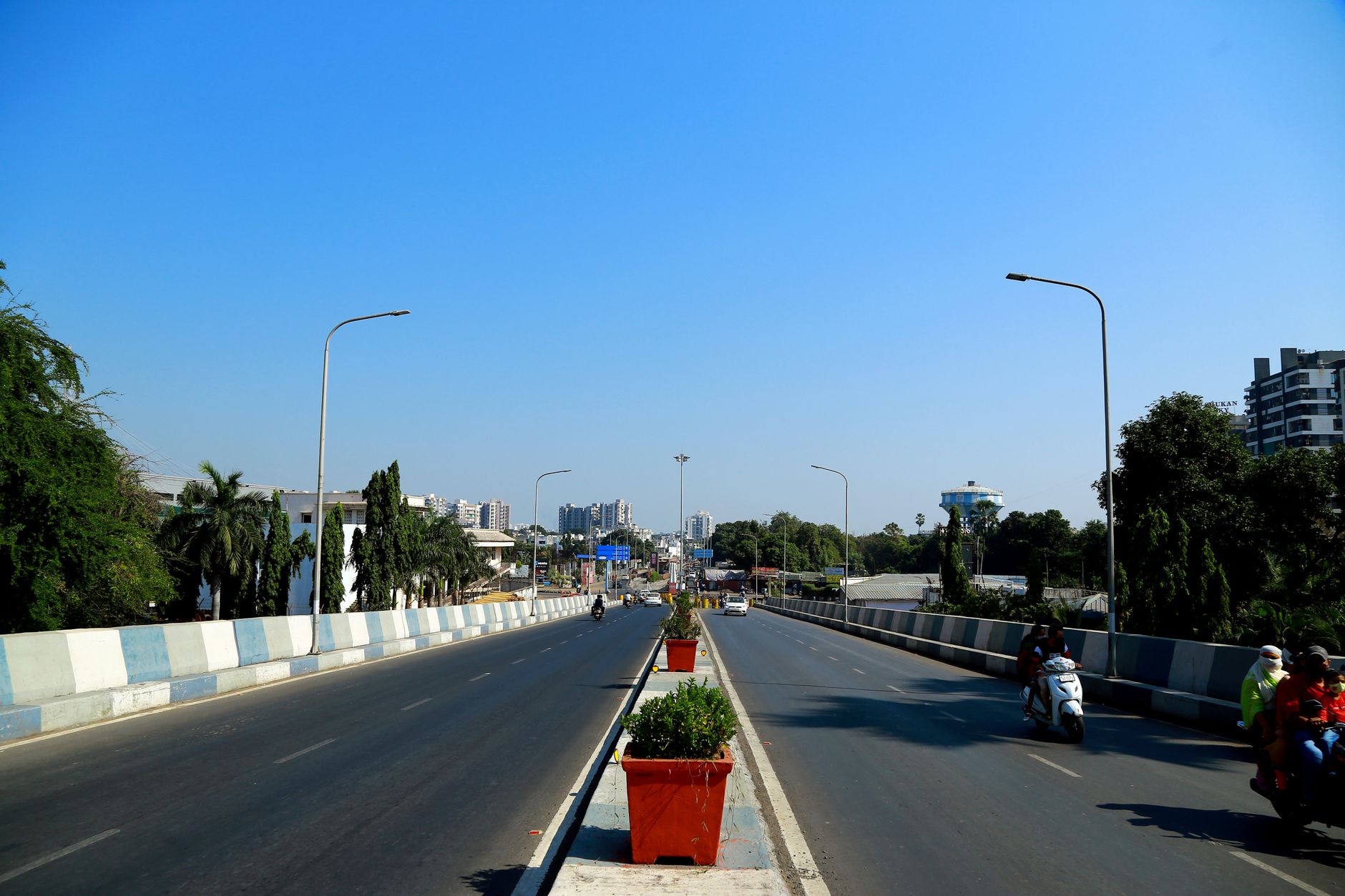
Urban rail expansion is becoming a significant trend in cities worldwide. As new corridors are developed, ridership is on the rise, signaling a shift in urban transportation dynamics.
The Rise of Urban Rail Systems
The rise of urban rail systems has been a significant trend in transportation planning across the globe. As cities continue to grow, the need for efficient and sustainable transit solutions has become increasingly critical. Urban rail expansion not only alleviates traffic congestion but also reduces carbon emissions, making it a vital component of modern urban development.
Many cities have recognized the benefits of investing in rail infrastructure, leading to a surge in new corridors and increased ridership. This expansion often includes:
- Integration with existing public transport systems
- Advanced technology for improved service efficiency
- Community engagement to ensure the needs of residents are met
- Partnerships with private developers to enhance funding opportunities
As a result, urban rail systems are becoming a backbone of urban mobility, offering a reliable alternative to traditional vehicular transport.
Key Factors Driving Expansion
Urban rail expansion is being propelled by several key factors that influence its growth and adoption in metropolitan areas. Understanding these factors is crucial for cities looking to enhance their public transportation systems.
- Population Growth: As urban populations increase, the demand for efficient and reliable transportation options rises, prompting cities to invest in urban rail systems.
- Environmental Concerns: With rising awareness about climate change, many cities are prioritizing sustainable transport solutions, making rail expansion a viable option.
- Technological Advancements: Innovations in rail technology allow for safer, faster, and more cost-effective systems, making urban rail expansion more appealing.
- Government Support: Increased funding and policy support from local and federal governments can significantly boost urban rail projects, ensuring they are feasible and well-planned.
These factors collectively create a favorable environment for urban rail expansion, ultimately enhancing the quality of life for residents while addressing critical urban challenges.
Benefits of Increased Ridership
The benefits of increased ridership in urban rail systems are manifold, contributing significantly to the overall success and sustainability of urban rail expansion initiatives.
- Reduced Traffic Congestion: Higher ridership on urban rail systems helps alleviate road traffic, leading to smoother commutes and less time spent in congestion.
- Environmental Impact: With more passengers opting for rail travel, there is a noticeable decrease in greenhouse gas emissions, promoting cleaner air and a healthier environment.
- Economic Growth: Increased ridership stimulates local economies by enhancing access to businesses and attracting new investments in the area.
- Social Inclusion: Urban rail expansion encourages social equity by providing affordable transportation options to underserved communities.
- Improved Public Health: By promoting public transit, cities can enhance physical activity levels among residents, leading to better overall health outcomes.
As urban rail systems continue to evolve, the focus on maximizing ridership will remain a critical strategy for burgeoning urban rail expansion efforts.
Future Trends in Urban Transportation
The future of urban transportation is poised for transformation as cities increasingly invest in urban rail expansion. Several emerging trends indicate a shift towards more integrated and efficient transit systems.
- Smart Technology Integration: Cities are adopting smart technologies to enhance operational efficiency, improve passenger experience, and reduce congestion.
- Sustainability Initiatives: With a growing focus on environmental impact, many urban rail projects are incorporating green practices, such as energy-efficient trains and eco-friendly stations.
- Public-Private Partnerships: Collaborative efforts between governmental agencies and private companies are becoming more common, leading to faster project implementations and resource sharing.
- Multimodal Connectivity: Future urban rail systems will emphasize seamless connections with other modes of transport, including buses, bicycles, and ride-sharing services, creating a comprehensive transit network.
As cities adapt to these trends, the potential for urban rail expansion to alleviate traffic woes and enhance urban mobility becomes increasingly promising.
By Jocey K via Openverse