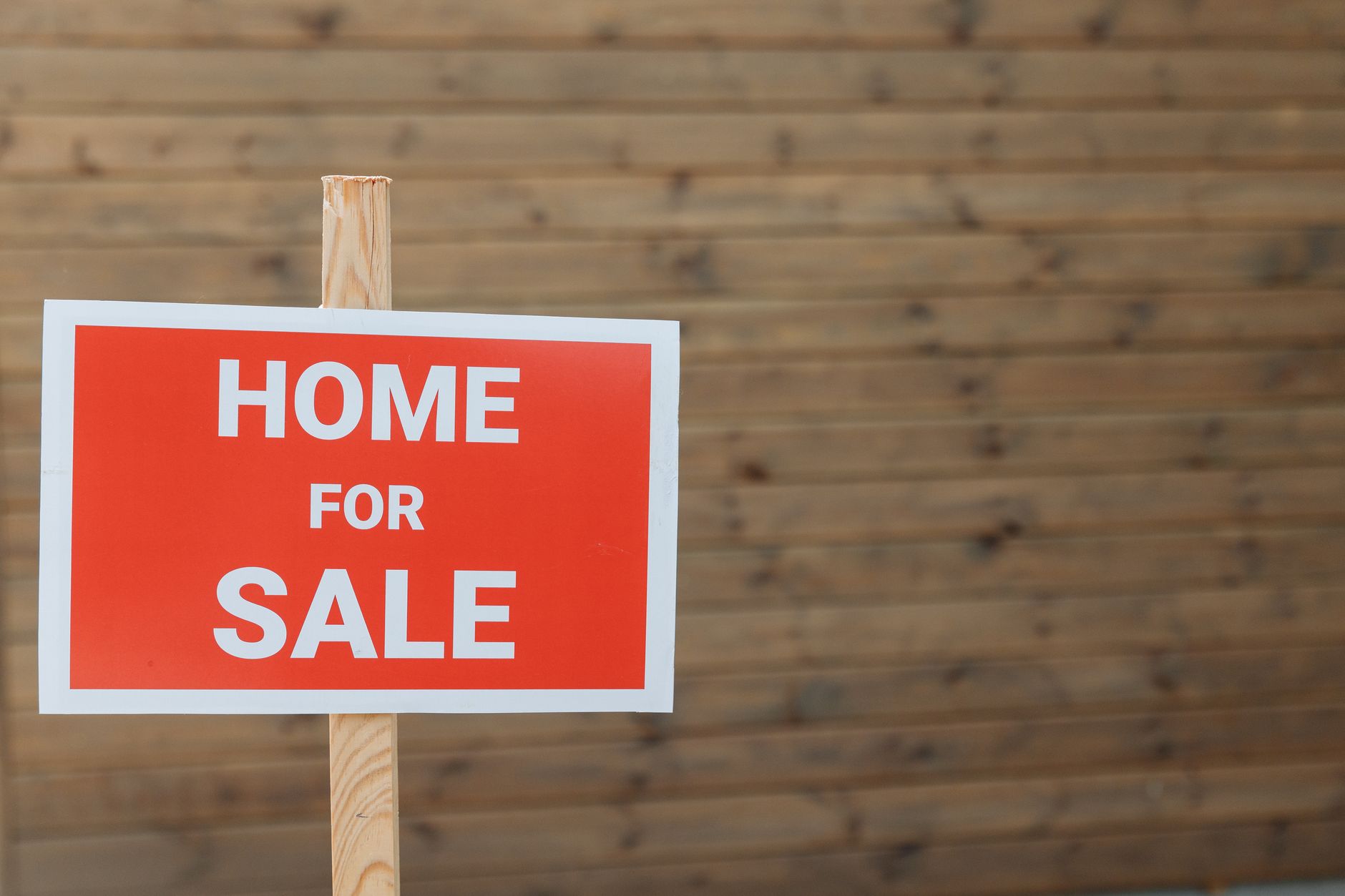
The real estate market pressure is palpable as house prices remain high while supply begins to recover. This dual challenge affects both buyers and sellers navigating the current landscape.
Understanding Current House Prices
The current state of the real estate market is characterized by mounting pressure, particularly evident in house prices that remain stubbornly high. As potential buyers grapple with affordability challenges, understanding the dynamics behind these prices is essential.
Several factors contribute to the ongoing pressure in the real estate market:
- Supply and Demand Imbalance: Despite a gradual recovery in housing supply, demand continues to outpace availability, leading to increased competition among buyers.
- Interest Rates: Rising interest rates have further complicated the landscape, making mortgages less accessible and adding to the overall cost of homeownership.
- Economic Uncertainty: Factors such as inflation and job market fluctuations create a climate of uncertainty, which can deter potential buyers from making significant financial commitments.
As a result, many are left questioning whether the current high prices will stabilize or continue to elevate, ultimately impacting the overall health of the real estate market. With pressures mounting, it remains to be seen how these challenges will shape housing trends in the coming months.
Factors Influencing Supply Recovery
The real estate market is currently under significant pressure due to various factors influencing supply recovery. Understanding these elements is crucial for potential buyers and investors alike.
- Economic Conditions: Fluctuations in the economy can impact consumer confidence, leading to reduced housing demand. As interest rates rise, borrowing costs increase, which may deter buyers from entering the market.
- Construction Challenges: Supply chain disruptions and labor shortages have hindered new construction projects, limiting the availability of homes. This lag in supply can exacerbate the pressure on current housing prices.
- Regulatory Hurdles: Local zoning laws and building regulations can slow down the development process. Stricter regulations may prevent timely recovery in housing supply, keeping prices elevated.
- Population Growth: An influx of new residents in certain areas increases demand, placing additional pressure on the already limited supply of homes. Local markets may struggle to keep pace with this growth.
As these factors interplay, the real estate market pressure continues to shape the landscape for buyers and sellers. Understanding these influences is essential to navigate the challenges ahead in the housing sector.
Impacts of Market Pressure on Buyers
The real estate market pressure is significantly impacting buyers, creating a challenging environment for those looking to purchase homes. As prices remain elevated, potential homeowners are feeling the strain on their finances and decision-making processes.
One of the primary effects of this market pressure is the increased competition among buyers. With limited inventory and high demand, many buyers find themselves in bidding wars, often leading to homes selling for well above the asking price. This situation can discourage first-time buyers, particularly those who may struggle to secure financing or afford the necessary down payment.
Additionally, buyers are facing higher mortgage rates, which adds to the overall cost of homeownership. As monthly payments rise, many are forced to reassess their budgets and may have to compromise on their desired location or features of the home.
Moreover, the emotional toll of navigating such a stressful market cannot be overlooked. Buyers may experience frustration, anxiety, and even disappointment as they encounter obstacles in their search for a home. This combination of financial and emotional challenges makes the current landscape particularly daunting for those hoping to enter the market.
Seller Strategies in a High-Pressure Market
As the real estate market pressure continues to mount, sellers must adapt their strategies to remain competitive and successful. In a high-pressure environment, traditional selling tactics may not suffice. Here are several strategies sellers can implement to navigate these challenges:
- Price Competitively: Setting the right price is crucial. Sellers should analyze comparable properties in their area to ensure their listing is appealing while still reflecting the market’s value.
- Enhance Curb Appeal: First impressions matter. Sellers should invest in minor upgrades, landscaping, and staging to attract potential buyers and stand out in a crowded market.
- Be Flexible with Showings: Accommodating potential buyers’ schedules can lead to quicker sales. Flexibility can make a significant difference in a high-pressure market.
- Highlight Unique Features: Emphasizing unique aspects of the home can attract buyers. Sellers should create marketing materials that showcase what makes their property special.
- Consider Pre-Inspection: Conducting a pre-inspection can uncover issues early and build buyer confidence, easing concerns that could arise during negotiations.
By implementing these strategies, sellers can better position themselves in a challenging real estate market, ultimately leading to more successful transactions.
Future Predictions for Real Estate
As the real estate market continues to navigate high house prices and a recovering supply, future predictions indicate that market pressure will remain a significant challenge for both buyers and sellers. Analysts suggest that the following trends may shape the landscape in the coming months:
- Interest Rates: If interest rates rise further, potential buyers may be deterred, leading to a slowdown in sales and increased market pressure on sellers to adjust their pricing strategies.
- Economic Uncertainty: Fluctuations in the economy could impact consumer confidence, making buyers more hesitant and exacerbating existing market pressures.
- Remote Work Trends: The shift towards remote work may continue to influence housing preferences, with demand for suburban and rural properties potentially increasing amidst urban market pressure.
- Construction Costs: Ongoing increases in construction costs may hinder new housing developments, limiting supply and contributing to sustained pressure on prices.
In summary, while the real estate market shows signs of recovery, the pressure from higher prices, economic factors, and evolving buyer preferences will likely create a complex environment for stakeholders. Adapting to these challenges will be crucial for success in the evolving market landscape.
The ongoing real estate market pressure is forcing many potential buyers to reconsider their purchasing decisions. As interest rates rise, this real estate market pressure is expected to intensify, leading to further challenges for both buyers and sellers.
Photo by Thirdman on Pexels
References
Omar Abdullah projects: What are the best benefits for Ganderbal? · Haier 5-Door Refrigerator: The Best Smart Home Upgrade · Prayagraj housing projects: Best plans unveiled by Yogi Adityanath