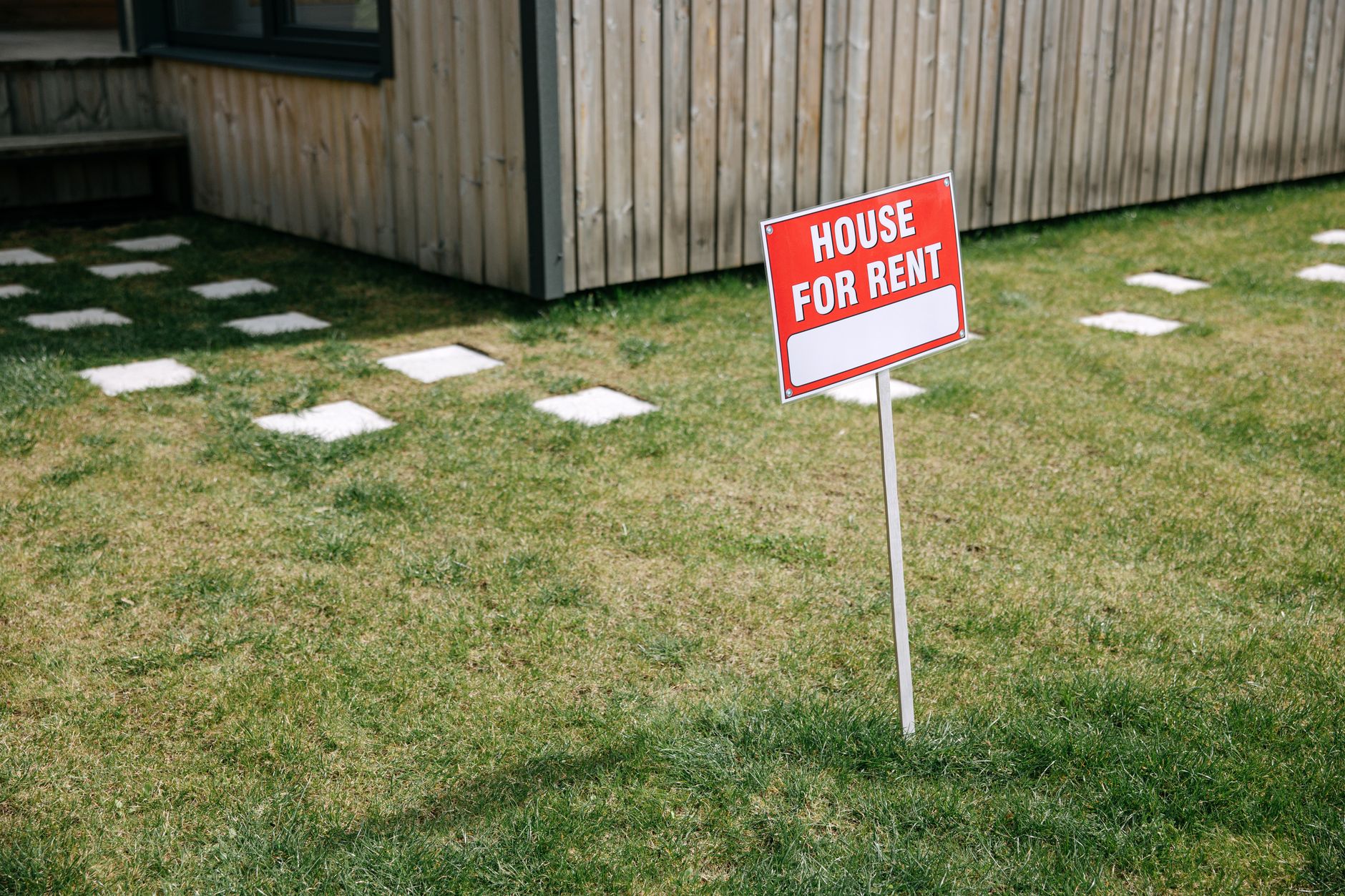
Sydney rents dip, indicating a significant change in the rental market. As tenants hit their financial limits, landlords may need to adjust their expectations.
Understanding the Recent Changes in Sydney’s Rental Market
Recent trends indicate a significant shift in Sydney’s rental market as Sydney rents dip, suggesting that a market adjustment may be underway. With rising living costs and economic pressures, many tenants are reaching their financial limits, leading to a change in demand dynamics.
Several factors contribute to this decline:
- Increased supply: New residential developments are entering the market, providing more options for prospective renters.
- Economic pressures: High inflation and cost of living have strained tenant budgets, making it difficult to afford previous rental prices.
- Remote work trends: The rise of remote work has allowed some individuals to seek more affordable living arrangements outside the city.
As these elements converge, it’s becoming increasingly clear that the adjustment in rental prices reflects broader economic realities. The ongoing monitoring of these trends will be crucial for both renters and investors in the coming months.
Factors Contributing to the Decline in Rents
The recent dip in Sydney rents can be attributed to several key factors that have influenced the rental market.
- Increased Supply: A surge in new apartment constructions has led to more rental properties available, creating a more competitive environment for landlords.
- Economic Pressures: Rising living costs and interest rates have strained household budgets, limiting the amount tenants are willing or able to pay.
- Remote Work Flexibility: As more companies adopt flexible work policies, some tenants are choosing to relocate to more affordable areas, reducing demand in prime Sydney locations.
- Government Incentives: Various government initiatives aimed at boosting housing affordability have also played a role in adjusting the rental landscape.
These factors combined have contributed to the observed trend of Sydney rents dipping, signaling a significant market adjustment as tenants reach their affordability limits.
Impact on Tenants and Landlords
The recent dip in Sydney rents is having a significant impact on both tenants and landlords. For tenants, this adjustment provides much-needed relief after a prolonged period of escalating costs. Many are now finding more affordable options, which allows them to allocate their budgets towards other essential expenses.
Moreover, the decline in rental prices is encouraging a sense of stability in the market. Tenants are expressing relief at the improved affordability, which has resulted in an increase in rental applications for properties that were previously out of reach.
On the other hand, landlords are feeling the strain as the market shifts. Many are forced to reevaluate their pricing strategies to attract tenants in a competitive landscape. Some landlords may need to consider reducing rental prices or enhancing property features to maintain occupancy rates.
As Sydney rents dip, both parties must navigate this evolving environment to adapt to the changing dynamics of the rental market.
Future Predictions for Sydney’s Real Estate
As Sydney rents dip, experts are assessing the future of the city’s real estate market. While the recent decline offers relief to many tenants, it raises questions about the sustainability of current rent levels.
Several factors may influence future trends:
- Economic Recovery: As the economy stabilizes, demand for rental properties may increase, potentially pushing rents back up.
- Inflation Rates: High inflation could impact housing supply and costs, affecting rent prices.
- Government Policies: Any new regulations or incentives aimed at increasing affordable housing could significantly alter the rental landscape.
- Population Growth: An influx of residents may drive demand and contribute to rent increases in the long term.
In summary, while Sydney rents dip now, various economic and social factors could shape the market in unpredictable ways, leading to further adjustments in the coming years.
Comparative Analysis with Other Major Cities
As Sydney rents dip, a comparative analysis with other major cities reveals interesting trends in the rental market. While Sydney has seen a downturn, cities like Melbourne and Brisbane continue to experience steady rental growth.
- Melbourne: In contrast to Sydney, Melbourne’s rental prices have remained stable, with a slight increase in demand due to a growing population and job opportunities.
- Brisbane: Brisbane’s rental market is on the rise, attracting new residents with its affordability compared to Sydney, which makes it a more appealing option for renters.
- Perth: Perth has also witnessed a surge in rental prices, driven by increased demand for housing and limited supply, highlighting a stark difference from Sydney’s current market conditions.
This comparative analysis underscores the unique challenges and opportunities present in Sydney’s rental landscape, as the dip in rents reflects broader economic adjustments that differ from the trends observed in other major cities.
The Role of Economic Conditions in Rental Prices
The recent trend of Sydney rents dip can be attributed to various economic conditions that directly influence the housing market. As the city experiences fluctuations in employment rates and economic growth, these factors play a significant role in shaping rental prices.
Key economic indicators affecting Sydney’s rental market include:
- Employment Stability: A rise in job security often leads to increased demand for housing, while economic uncertainty can result in tenants opting for more affordable options.
- Inflation Rates: High inflation can erode purchasing power, prompting tenants to seek lower rents or negotiate better terms.
- Interest Rates: Changes in interest rates can influence property investors, impacting the overall supply and demand dynamics in the rental market.
As these economic conditions continue to evolve, it remains crucial for both tenants and landlords to stay informed and adapt to the shifting landscape of Sydney’s rental market.
The recent trend shows that Sydney rents dip as more properties become available for lease. This adjustment in the market may provide relief to renters who have faced rising costs in recent years.
Photo by Ivan S on Pexels
Sources
Related reading
Madhya Pradesh tourism investment: Best Proven Projects Ahead · Taj Palace Lucknow: The Best Hotel Experience Awaits You · Chennai Metro Phase 2: What Are the Best Property Trends?