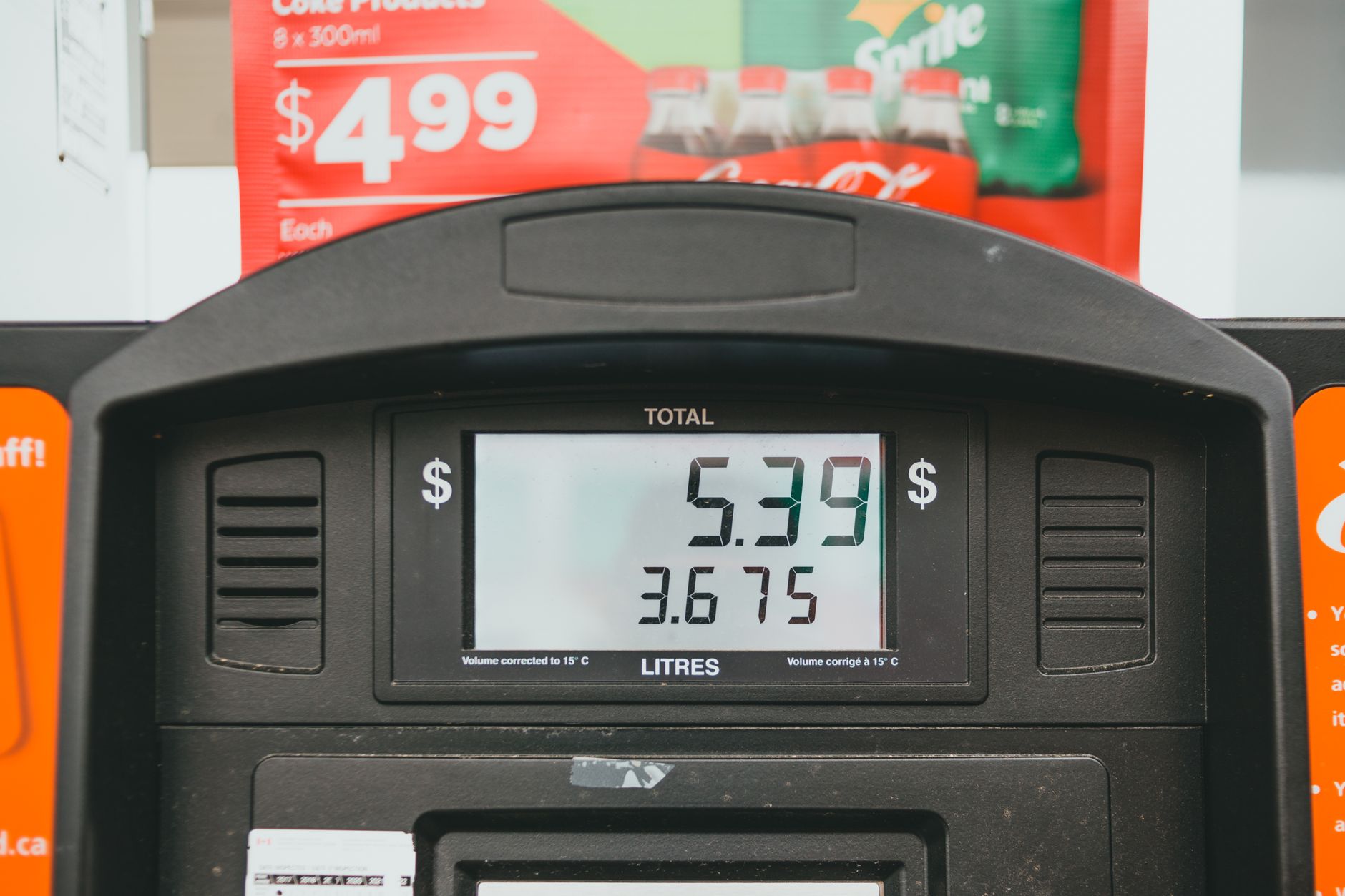
rising fuel prices are significantly hurting vulnerable builders across the nation. As costs continue to climb, many in the construction sector are feeling the squeeze, leading to challenges in project completion and financial stability.
Understanding the Impact of Rising Fuel Prices
The construction industry is facing significant challenges as rising fuel prices continue to impact various sectors. Builders, particularly those operating on tight budgets, are feeling the strain as operational costs soar.
Among the most affected are small to mid-sized construction firms, which often lack the financial reserves to absorb increased expenses. The surge in fuel prices leads to a chain reaction, affecting:
- Transportation Costs: Higher fuel prices escalate the costs of transporting materials to job sites, making projects more expensive.
- Material Expenses: The cost of concrete and other essential materials has also risen, compounding the financial burden on builders.
- Labor Costs: As fuel prices increase, labor costs tend to rise as well, with workers seeking higher wages to offset their own commuting expenses.
These factors collectively threaten the viability of many construction projects, leading to delays and potential cancellations. Builders are now forced to rethink their strategies in order to adapt to the realities of rising fuel prices. The industry is at a critical juncture, requiring innovative solutions to mitigate these challenges and ensure the sustainability of construction efforts moving forward.
Challenges Faced by Vulnerable Builders
The construction industry is facing significant challenges as rising fuel prices continue to impact vulnerable builders across the country. These builders, often operating on tight budgets, are feeling the strain as their operational costs escalate. The increase in fuel prices not only affects transportation but also has a cascading effect on various materials essential for construction projects.
Many builders are grappling with the following challenges:
- Increased Transportation Costs: The cost of delivering materials has surged, leading to higher project expenses.
- Material Price Inflation: Alongside fuel prices, the cost of concrete and other construction materials has been on the rise, further squeezing profit margins.
- Contractual Obligations: Fixed-price contracts leave builders with little room to adjust for unexpected costs, often resulting in financial strain.
- Project Delays: Rising fuel prices can lead to delays in material delivery, causing project timelines to extend and increasing overall costs.
- Market Competitiveness: Vulnerable builders find it increasingly difficult to compete with larger firms that can absorb these added costs more effectively.
As the situation evolves, many in the industry are calling for support and solutions to mitigate the effects of rising fuel prices on builders.
Concrete Prices on the Rise
The construction industry is feeling the strain as rising fuel prices continue to affect various material costs, particularly concrete. Builders are grappling with the reality that concrete prices have surged significantly, making it increasingly challenging for them to manage budgets and project timelines.
Several factors contribute to the rise in concrete prices, including:
- Increased Transportation Costs: With fuel prices on the rise, transporting raw materials to construction sites has become more expensive, leading to higher concrete costs.
- Supply Chain Disruptions: Ongoing disruptions in the supply chain, exacerbated by rising fuel prices, have resulted in shortages of essential materials needed for concrete production.
- Higher Production Expenses: Concrete manufacturers face increased energy costs in the production process, which are passed on to builders and developers.
This combination of factors has created a challenging environment for builders, especially those already operating on tight margins. As concrete prices rise, many are forced to reconsider project viability and may even delay or cancel planned developments. The impact of these escalating costs not only affects builders but also has broader implications for housing availability and infrastructure development.
Strategies for Builders to Adapt
As rising fuel prices continue to strain the construction industry, builders are seeking effective strategies to adapt to the changing landscape. With increased transportation costs and material prices, it is crucial for builders to implement measures that can help mitigate these challenges.
One effective strategy is to enhance operational efficiency. By optimizing logistics and supply chain management, builders can reduce unnecessary transportation costs. This may involve consolidating shipments or partnering with local suppliers to minimize fuel consumption.
Another approach is to invest in energy-efficient machinery and vehicles. Although the initial investment may be significant, these upgrades can lead to substantial savings on fuel expenses in the long run.
Moreover, builders can consider adjusting project timelines to account for fluctuations in fuel prices. By scheduling work during periods of lower demand, they can potentially secure better rates for materials and transportation services.
Lastly, collaborating with industry stakeholders, such as suppliers and subcontractors, can foster a collective response to rising fuel prices. By sharing insights and resources, builders can navigate these challenges more effectively.
In conclusion, while rising fuel prices pose significant challenges, proactive strategies can help builders maintain their competitiveness and sustainability in a tough market.
Future Outlook for the Construction Industry
The construction industry is facing a critical juncture as rising fuel prices continue to strain budgets and project timelines. Builders are now forced to reassess their operational strategies in light of these increasing costs. The future outlook for the construction sector hinges on several key factors that could either mitigate or exacerbate the challenges posed by fuel price hikes.
One significant concern is the potential for increased project delays. As fuel prices rise, transportation costs escalate, which can impact the timely delivery of materials. This not only affects project schedules but can also lead to inflated costs, further squeezing builders’ profit margins. Labor costs may also rise as workers demand higher wages to offset their own increased commuting expenses.
Moreover, the industry must adapt to these changes through innovative solutions. Investing in alternative energy sources and exploring eco-friendly construction practices may provide a way forward. Builders who embrace technological advancements, such as efficient logistics platforms, could mitigate the impact of rising fuel prices.
Ultimately, the resilience of the construction industry will depend on how well builders can navigate these challenges while maintaining quality and affordability in their projects.
Photo by Erik Mclean on Pexels